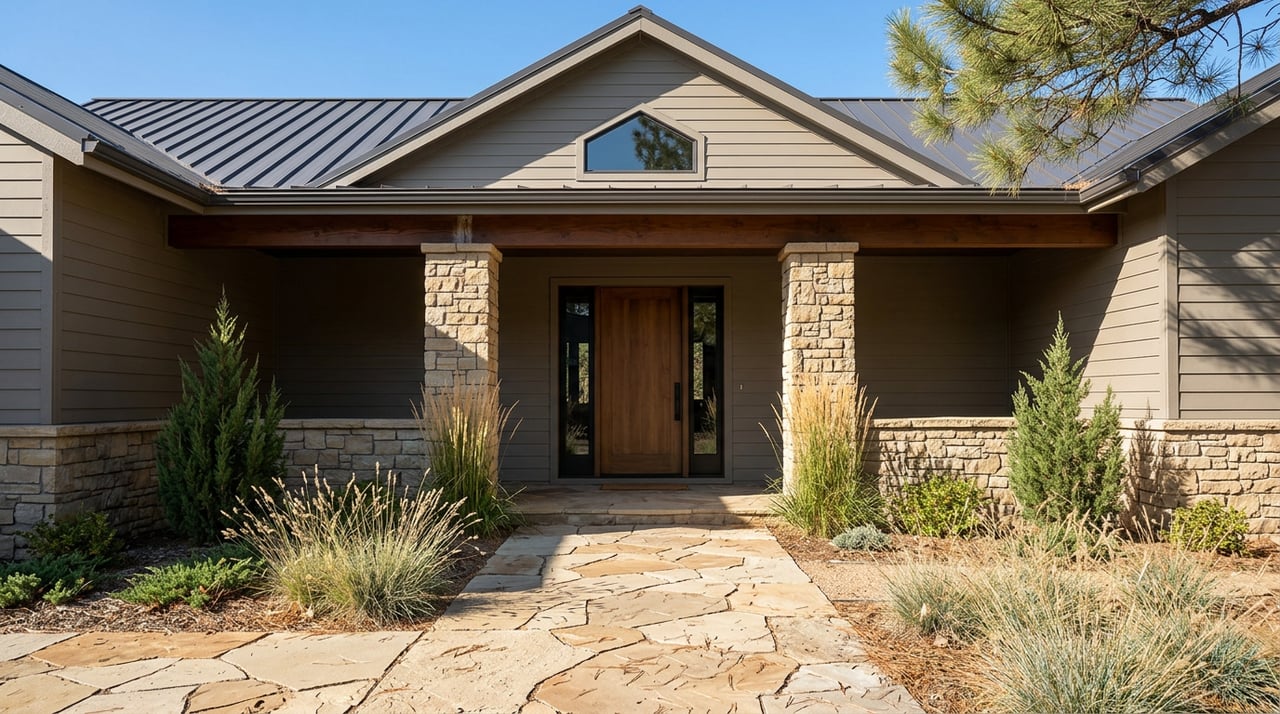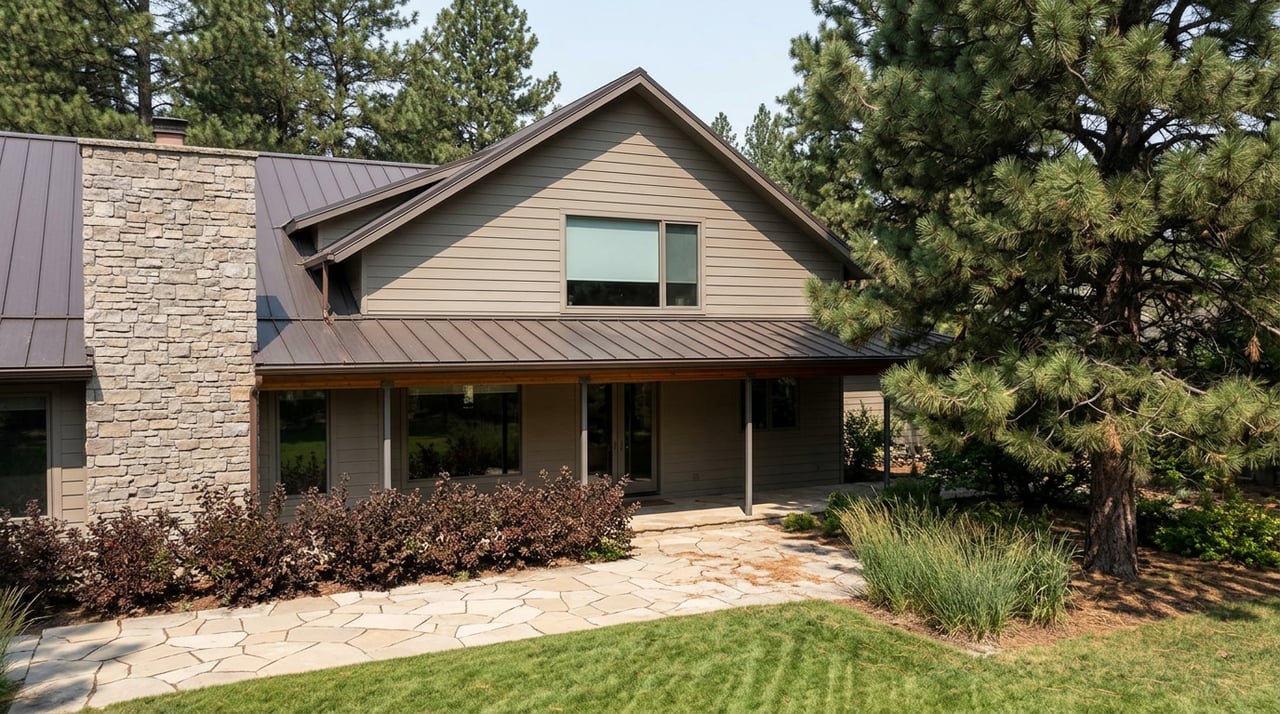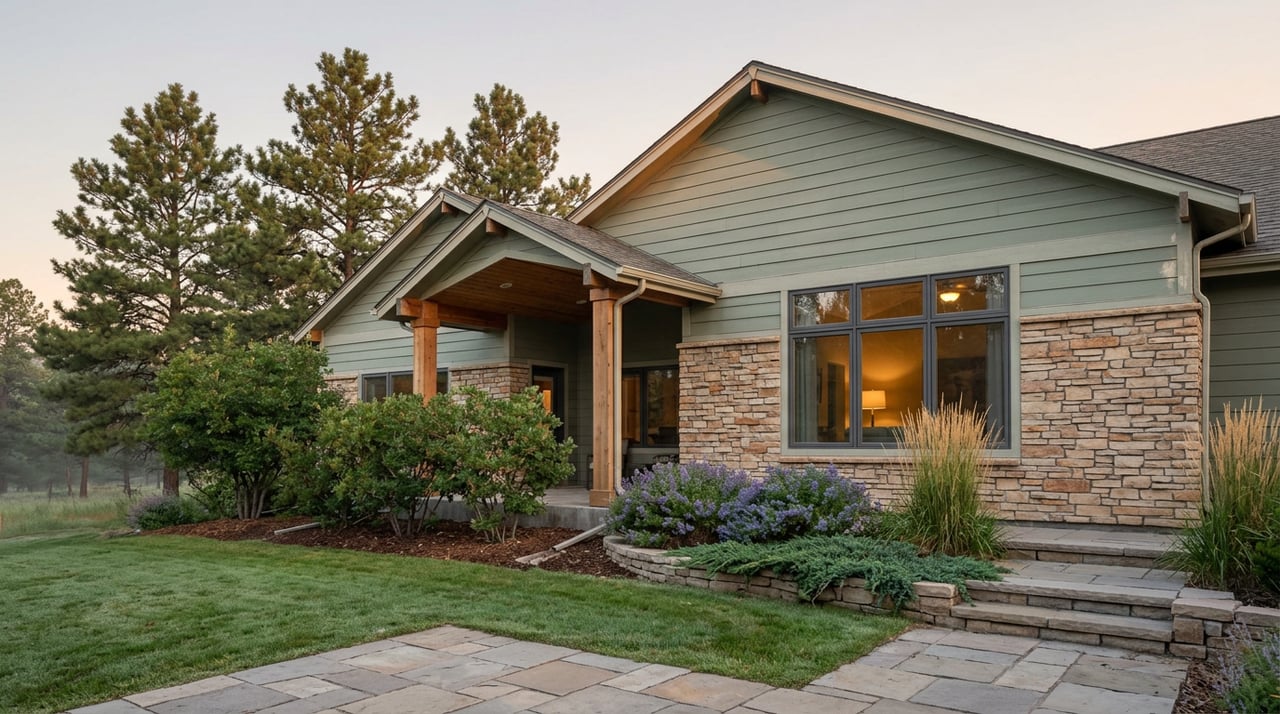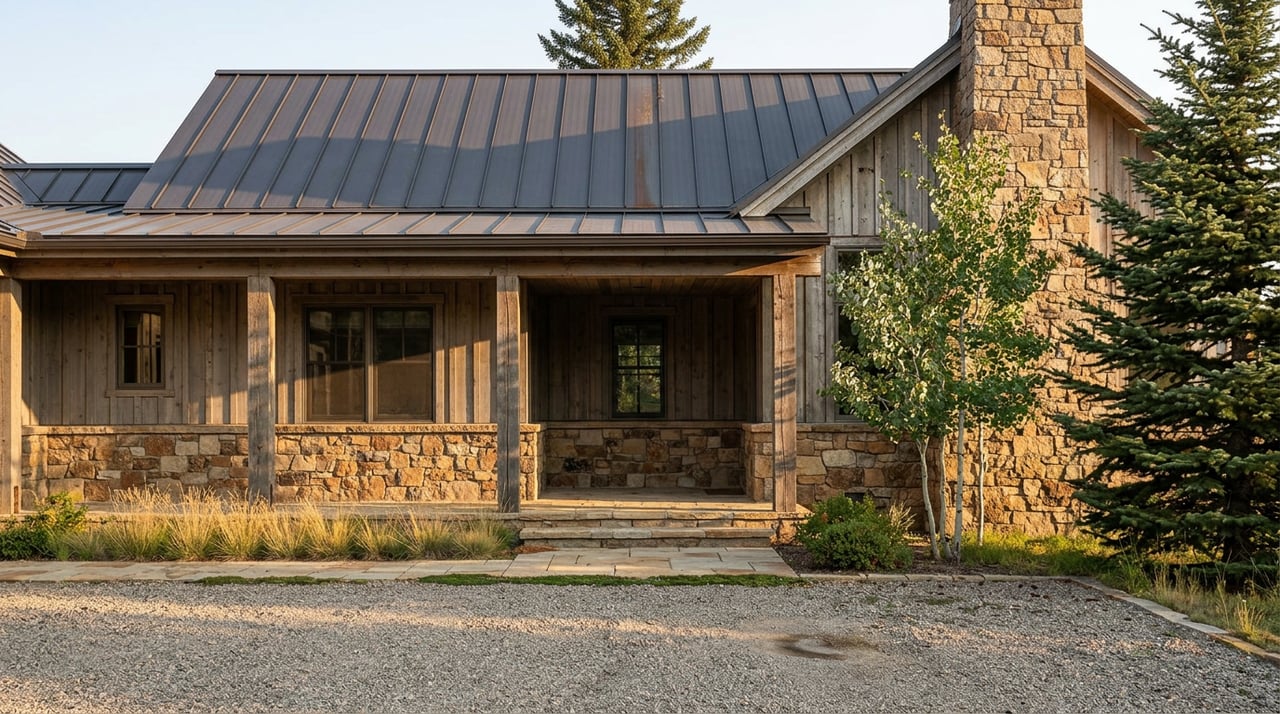
Two properties sit half a mile apart. Both have Silverthorne mailing addresses. Both list at a similar price, with similar square footage and similar mountain views. One can get a short-term rental license without much trouble. The other cannot get one at all, no matter how much the owner is willing to pay in fees or how strong the rental income projections look.
The difference has nothing to do with the home itself. It comes down to a boundary line that no listing photo, and often no listing description, will show you: whether the parcel sits inside the Town of Silverthorne or in an unincorporated pocket of Summit County that only borrows the Silverthorne name for mail delivery.
The line you can't see from the listing
Summit County has five incorporated towns, Breckenridge, Frisco, Dillon, Silverthorne, and Blue River, each running its own short-term rental ordinance. Everything outside those town limits falls under the county's separate rulebook, split into overlay zones and basins with their own caps. A property's mailing address tells you almost nothing about which of these frameworks actually applies.
Wildernest carries a Silverthorne address but sits in unincorporated Summit County, subject to county basin rules rather than Silverthorne's town ordinance. Dillon Valley and Summit Cove read as Dillon on paper but fall outside Dillon's town limits entirely. Even inside Breckenridge, two pockets, the Four O'Clock Subdivision and the SkiWatch condominiums, look like they belong to the town but are actually governed by the county's Resort Overlay Zone.
Summit County maintains a parcel-level lookup tool through its planning department specifically because this confusion is common enough to cause real problems for buyers who assume otherwise. Before writing an offer on anything you're considering for short-term use, that jurisdiction check belongs at the top of your due diligence list, not somewhere you get to after closing.
Not all of unincorporated Summit County plays by the same rules
Even once you've confirmed a property sits in unincorporated Summit County rather than a town, the county itself divides into four basins, and those basins are not in the same position relative to their own caps.
| Basin | License Cap | Licenses Issued | Status |
|---|---|---|---|
| Lower Blue Basin | 550 | 508 (as of January 2026) | Room remaining |
| Upper Blue Basin | 590 | 563 (as of June 2026) | Waitlist open |
| Snake River Basin | 130 | 137 (as of June 2026) | Over cap, waitlist active |
| Ten Mile Basin | 20 | 24 (as of June 2026) | Over cap, waitlist active |
Snake River and Ten Mile are already past their own caps. That happened because existing licenses were grandfathered in when the caps were first set, so the basin can show more active licenses than its stated ceiling while still refusing new applications. Lower Blue, by contrast, still has meaningful room. The county reviews and republishes these cap numbers every January, so a basin's position can shift year over year even without a change to the underlying ordinance.
Frisco's waitlist runs longer than most home sales
Frisco takes a different approach: a flat cap at 25 percent of the town's residential housing stock, which works out to roughly 900 licenses against about 3,600 residential units. The town reached that cap back in February 2023, and it has not opened back up since. As of April 2026, 83 applicants sat on the waitlist, with an estimated wait of 12 to 14 months before a spot opens.
That estimate isn't fixed. Frisco licenses renew every April 30, so a slow renewal season can push a batch of holders out and move the waitlist along faster than expected. For anyone counting on rental income to make a Frisco purchase pencil out, that waitlist timeline deserves as much weight in your planning as the mortgage rate does.
Same town, different zone, different odds
Breckenridge splits into four zones, and the odds of getting a license swing hard depending on which one you land in. The Resort Zone allows a license on essentially every eligible property. Zone 1 sits at 92 percent eligibility. Zone 2 drops to 51 percent. Zone 3, covering more of the outlying residential neighborhoods, allows a license on only 10 percent of properties.
Silverthorne runs a similar split under a different structure. Area 1, which covers most of the town's residential neighborhoods, caps licenses at 10 percent of units per neighborhood, and one recent snapshot showed 192 of 215 available slots already issued, with 23 remaining. Area 2, covering the Town Core and Riverfront district including Summit Sky Ranch, allows up to 50 percent of units and had far more room, 227 issued against a 526 cap. Area 3 covers deed-restricted neighborhoods where short-term rentals are prohibited outright, regardless of demand or price.
The pattern across every jurisdiction is the same. The town name on a listing tells you which ordinance to read. It does not tell you which zone inside that ordinance you're actually working with.
Why some owners set a seven-night minimum
Here's the detail that explains behavior you'll notice if you start browsing listings closely. In the Neighborhood Overlay Zone of unincorporated Summit County, the county doesn't cap the number of nights an owner can rent. It caps the number of separate bookings at 35 per year.
That distinction changes how a rational owner operates the property. A booking cap rewards longer stays over frequent turnover, since each booking counts the same whether it's for two nights or two weeks. A seven-night minimum paired with 35 bookings allows up to 245 rental nights a year, far more than an owner chasing weekend turnover could reach under the same cap. If you've wondered why so many Summit County listings in these zones default to week-long minimums instead of the nightly flexibility you'd see in a resort hotel, this is the mechanism behind it.
The rule that resets at closing
Across every single town and every basin in the county, one rule holds without exception: the STR license does not transfer with the sale. A buyer purchasing a property with an active, income-producing short-term rental does not inherit that license. The new owner has to apply from scratch, under whatever cap status applies on the day the application goes in.
In an open basin like Lower Blue, that's a formality. In a capped and waitlisted zone like Snake River, Ten Mile, or Silverthorne's Area 1, it means a buyer could close on a property with a documented rental history and still end up on a waitlist with no guaranteed timeline for a license of their own.
Timing matters even where caps aren't the issue. Dillon has no cap at all right now, but its licenses expire every May 31, and any renewal not completed by July 1 cannot be processed, meaning the owner must stop operating the rental immediately. Blue River shows the other extreme: on May 19, 2026, the town paused all new STR licenses and renewals through at least December 31, 2026 while it rewrites its ordinance from the ground up. Before that pause, Blue River had been a strong option for larger group-rental homes, four to six bedrooms, with no cap and no waitlist. Those property fundamentals haven't changed. What changed is that no one can get a new license there until the town finishes its rewrite.
Frequently asked questions
If I buy a home with an existing short-term rental license, does it come with the property? No, in every jurisdiction across Summit County. The license stays with the seller and the new owner must apply independently under the rules in place at the time of application.
How do I find out which basin, zone, or town actually governs a specific property? Summit County's planning department maintains a parcel-level lookup that identifies the governing jurisdiction for any address in the county. Checking this before writing an offer, rather than after, is the single most useful step a buyer can take when short-term rental use is part of the plan.
Rules like these change on a schedule set by county and town governments, and the details above reflect the most recent figures available as this was written. If you're weighing a Colorado property with rental income in mind, whether in Summit County or closer to home in the Colorado Springs area, that conversation starts with understanding exactly which rules apply to the parcel you're considering, not the town name on the listing. TR Real Estate works with investors and second-home buyers through that exact kind of research. Let's connect.