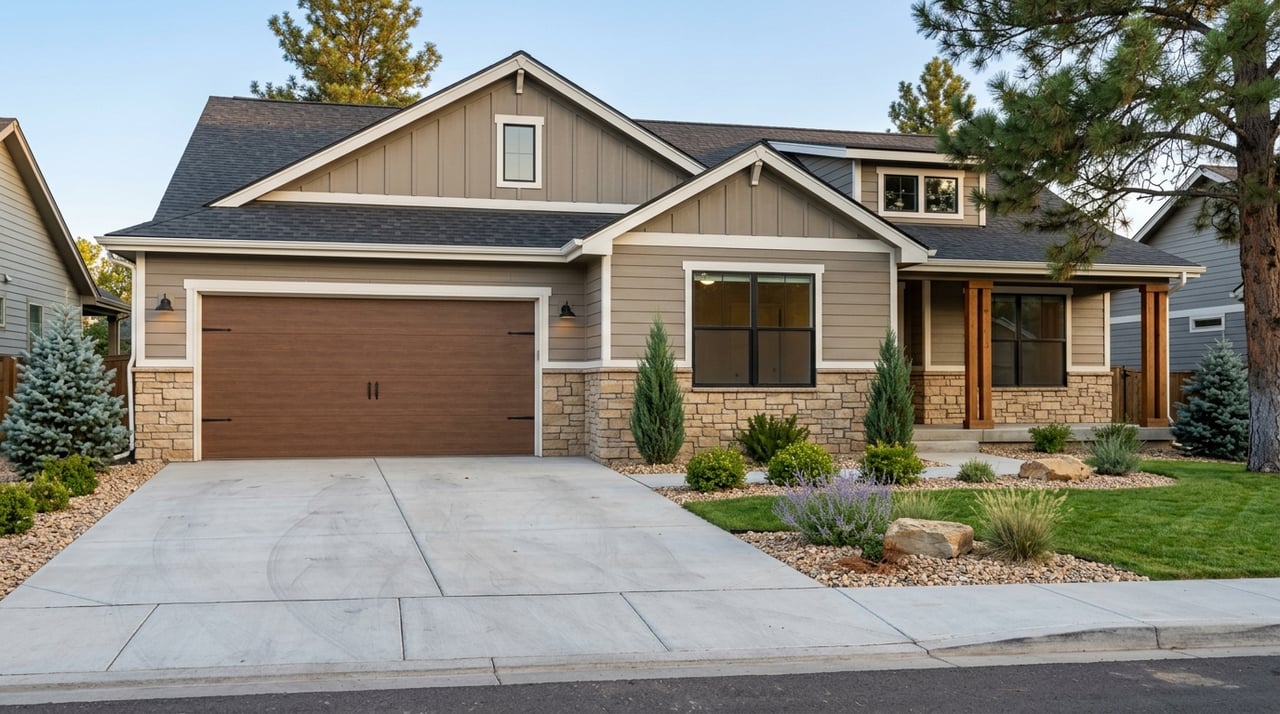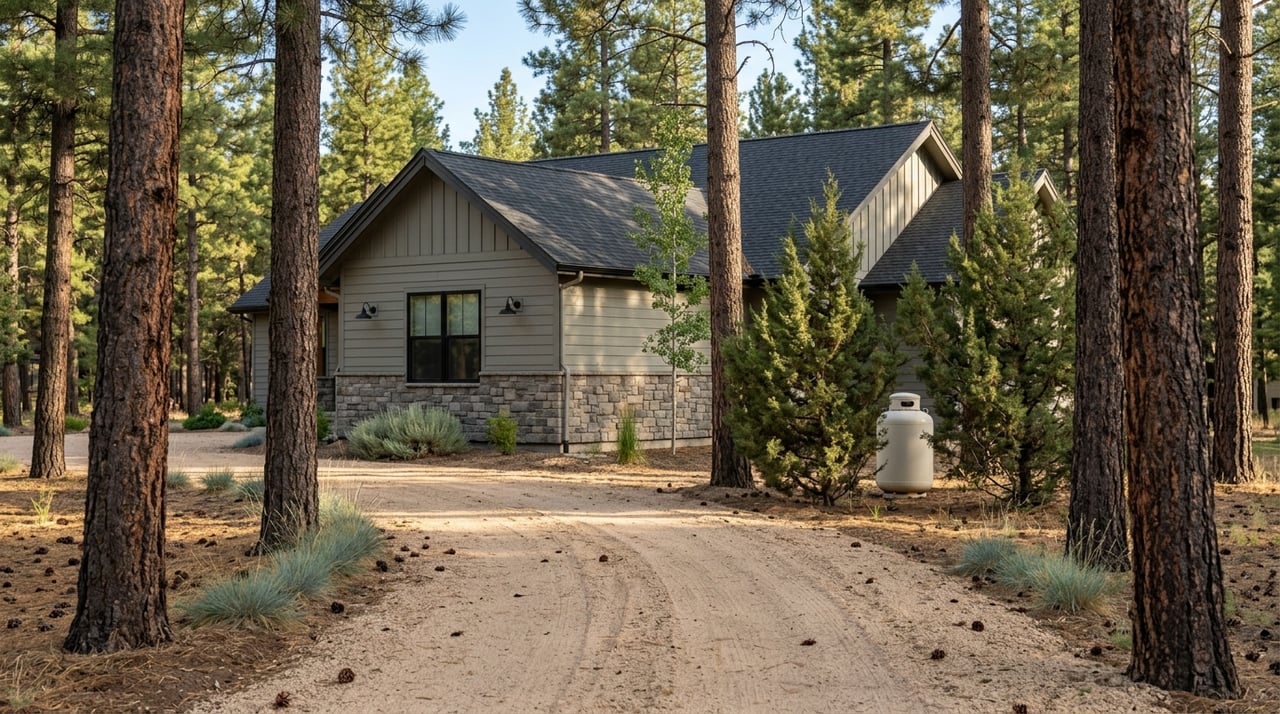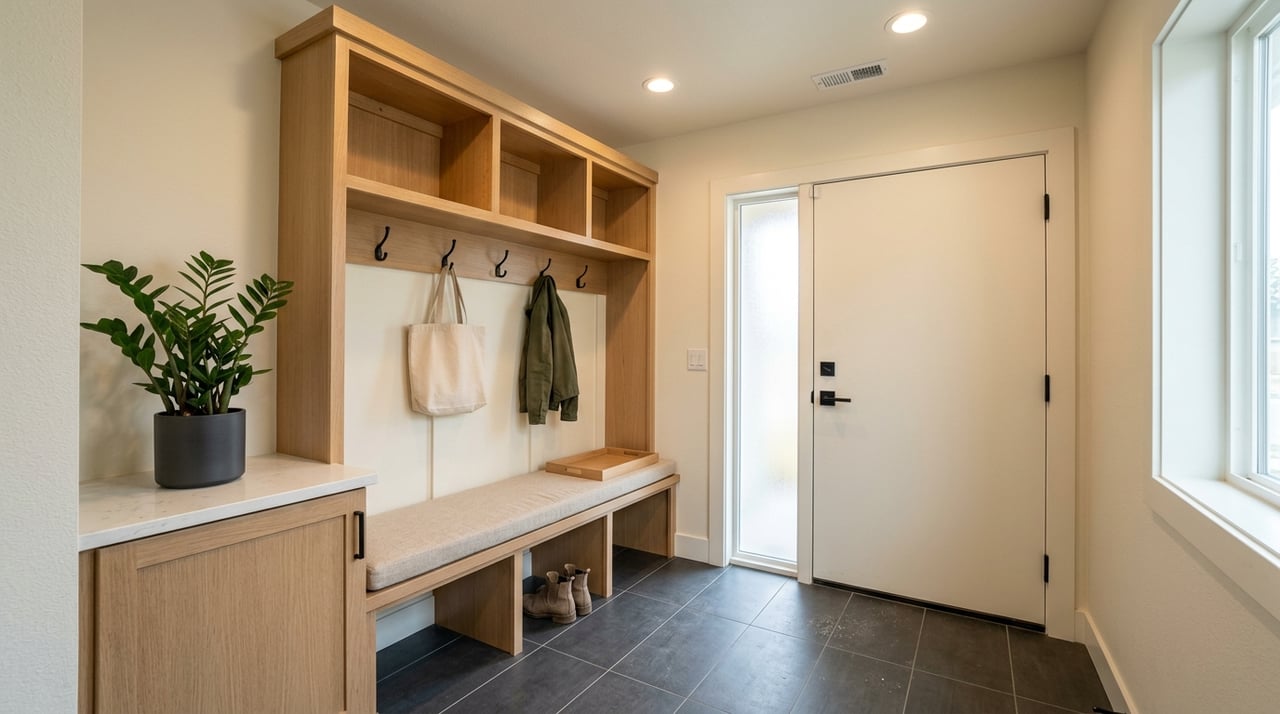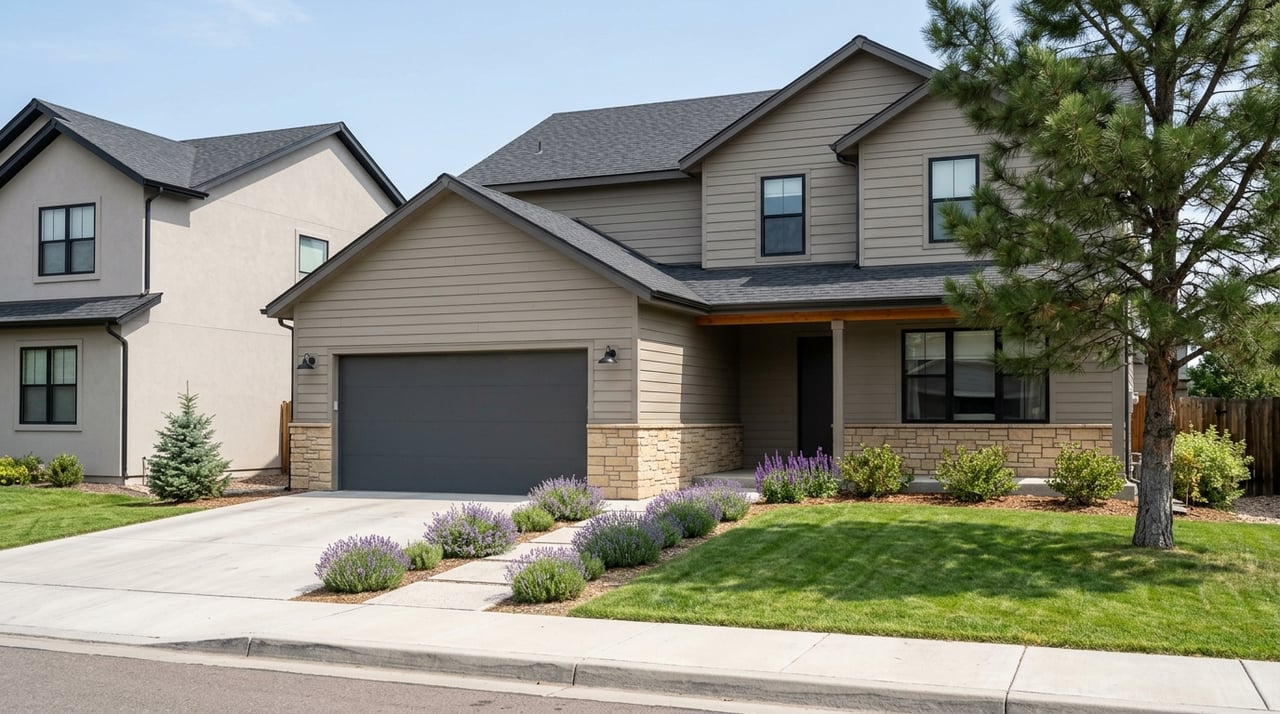
If you have ever looked at Briargate and thought, “Wait, which Briargate are people talking about?” you are not alone. This part of north Colorado Springs covers more than one neighborhood pattern, more than one era of construction, and more than one style of community living. Understanding the difference can help you narrow your search, set better expectations, and choose a home that fits both your lifestyle and long-term goals. Let’s dive in.
Briargate Is More Than One Neighborhood
Briargate is best understood as a large master-planned umbrella area in north Colorado Springs, not a single subdivision. The original Briargate plan was first developed in 1978, annexed into Colorado Springs in 1982, and the last new home closing in original Briargate happened in September 2005.
Over time, the broader Briargate plan came to include later communities such as Cordera, Pine Creek, North Fork at Briargate, and Briargate Crossing. That bigger-picture view matters because two homes with a “Briargate” address can offer very different neighborhood experiences.
Established Briargate Explained
When people talk about established Briargate, they usually mean the original neighborhoods and earliest phases of build-out. These homes generally date from the 1980s, 1990s, and early 2000s.
Broad neighborhood profiles also place Briargate’s median construction year in the early 1990s, with a large share of homes built between 1980 and 1999. In practical terms, that often gives the established sections a more conventional suburban feel.
What Established Areas Tend to Feel Like
Based on the build-out timeline and housing profile, older Briargate pockets often read as larger detached-home neighborhoods with mature landscaping and street patterns that predate some of the newer amenity-focused communities. That does not mean every block looks the same, but it does help explain why established Briargate often feels different from newer sections.
If you like the idea of a neighborhood that feels settled in, these older areas may stand out to you. You may notice more established streetscapes and a layout shaped by earlier suburban planning rather than newer master-planned design.
What to Expect With Oversight and Assessments
One of the biggest practical differences can be community governance and property-related costs. In older Briargate sections, some public improvements were managed through city special districts rather than one neighborhood-wide HOA.
The City of Colorado Springs says the Briargate Special Improvement Maintenance District dates to 1983 and was created to maintain public improvements like streets, sidewalks, drainage, and landscaped medians. A later Briargate GID created in 2000 financed public improvements through bonds that have since been paid off.
That history matters because established Briargate may not have the same kind of bundled amenity structure or design-review system you often see in newer pockets. If you are comparing homes, it is smart to look beyond the address and ask how the specific area is maintained and what recurring costs apply.
Newer Briargate Feels Different
Newer Briargate pockets tend to be more structured, more amenity-driven, and more explicit about community standards. That difference shows up in design guidelines, HOA services, recreation access, and assessment structures.
Instead of thinking of newer Briargate as just “newer houses,” it helps to think of it as a different community model. In many of these areas, the neighborhood experience is more intentionally organized from the start.
Pine Creek
Pine Creek Village is a 900-acre community in Briargate centered around golf-course and open-space amenities. Its guidelines describe a mix of custom and semi-custom homes, production single-family homes, townhomes, and apartments.
Pine Creek also shows how formal oversight can shape a neighborhood. The architectural theme is limited to Prairie, Craftsman, European Cottage, and Spanish Eclectic styles, and the guidelines address trash and recycling, parking, garage use, fencing, and design-review approval for exterior changes.
Cordera
La Plata describes Cordera as the third major residential phase of Briargate and part of the original master plan annexed in 1982. Cordera’s community setup reflects a newer, amenity-rich approach.
Its community center includes a heated outdoor pool, fitness room, multipurpose rooms, and resident events. The HOA page lists a 2025 assessment of $123 per month, covering common-area maintenance, snow removal, trash and recycling, insurance, reserve funding, and access to the community center.
Cordera also has a detailed landscaping program. Homeowners can receive a free professional landscape design and two free trees when they use approved installers, and the community promotes six architectural styles along with xeriscape-oriented landscape planning.
Wolf Ranch
Wolf Ranch has been building since 2004 and includes patio homes, multi-story homes, and ranch-style homes. Its amenity package is clearly defined, with more than 7 miles of finished trails, planned parks and open space, a pool, splash park, clubhouse, and resident events.
Its community council is funded through a 0.15% charge on the sale of every home within the master-planned area. The community also states that most newer filings include rec-center membership in the monthly assessment, typically for homes built after January 2017.
North Fork at Briargate
North Fork at Briargate is described by La Plata as the area’s newest destination for convenient, fresh-air living. The community highlights walkout lots, open spaces with natural trails, a future city-owned 11-acre park, and convenient access to nearby schools.
For buyers who want a newer neighborhood setting within the Briargate umbrella, North Fork represents the more recent edge of the area’s growth. It reflects the newer pattern of planned open space and organized community design.
Established vs Newer Briargate
The simplest way to understand Briargate is as a spectrum. The established sections trace back to the original 1980s-to-2005 build-out, while the newer pockets layer in stronger design control, clearer amenity packages, and more structured assessments or community governance.
Here is a quick side-by-side view:
| Feature | Established Briargate | Newer Briargate Pockets |
|---|---|---|
| Typical era | 1980s, 1990s, early 2000s | More recent phases |
| General feel | Traditional suburban | More planned and amenity-focused |
| Landscaping pattern | Often more mature | Often newer and more program-driven |
| Governance style | May involve city districts or varied structures | More likely to have detailed HOA or community oversight |
| Amenities | Varies by area | Often more explicit and bundled |
Neither side is automatically better. The right fit depends on what you value most in day-to-day living and what kind of ownership structure feels comfortable to you.
How to Choose the Right Section
If you are trying to decide between established and newer Briargate, start with your priorities. Your best match usually comes down to how you want to live, not just the year a house was built.
You May Prefer Established Briargate If
- You want a home in an earlier-built neighborhood
- You like a more traditional suburban layout
- You are drawn to mature landscaping and a settled-in feel
- You want to evaluate a range of governance or assessment structures rather than a uniform amenity package
You May Prefer Newer Briargate If
- You want more formal neighborhood standards
- You value community amenities like trails, pools, clubhouses, or events
- You prefer a master-planned setting with clearer design guidelines
- You want a neighborhood where assessments often bundle multiple services or recreation access
Briargate’s Broader Lifestyle Appeal
Another reason Briargate stays popular is that the area functions like a north-side hub. Visit Colorado Springs notes shopping and dining near the Promenade Shops at Briargate and Chapel Hills Mall, while La Plata’s Briargate page points to major retail, the Briargate Family YMCA, Pine Creek Golf Course and Clubhouse, the Cordera Community Center, Memorial Hospital North, UCHealth Children’s Hospital, and strong commuter access via Briargate Parkway, I-25, and Powers Boulevard.
That concentration of daily conveniences shapes how the area feels. Briargate is not just about housing style. It is also about access to recreation, shopping, healthcare, and major routes across Colorado Springs.
For healthcare anchors, UCHealth says Memorial Hospital North is located at 4050 Briargate Parkway, and Children’s Hospital Colorado lists outpatient care at Briargate at 4090 Briargate Parkway. For many buyers and relocating households, that convenience is a meaningful part of the decision.
Why This Difference Matters for Buyers and Sellers
If you are buying in Briargate, understanding these differences can help you compare homes more accurately. Two similar-looking properties may come with very different expectations around amenities, design review, recurring fees, and overall neighborhood structure.
If you are selling, this same distinction can shape how your home should be positioned. A home in established Briargate may attract buyers looking for a more classic suburban setting, while a home in a newer pocket may appeal to buyers focused on amenities, trails, and community features.
This is where local guidance makes a real difference. When you understand the specific section of Briargate, you can make clearer choices about value, fit, and future resale potential.
Whether you are relocating, moving up, downsizing, or thinking like an owner-investor, it helps to have a clear read on how each part of Briargate functions. If you want help comparing established and newer sections, reach out to Theadora Rotbasean for practical guidance tailored to your goals.
FAQs
What is the difference between established and newer Briargate?
- Established Briargate generally refers to the original 1980s, 1990s, and early-2000s neighborhoods, while newer Briargate pockets like Pine Creek, Cordera, Wolf Ranch, and North Fork tend to have more formal design standards, clearer amenity packages, and more structured assessments or governance.
Are all Briargate neighborhoods part of one HOA?
- No. The research shows that some older Briargate public improvements were managed through city special districts, while newer pockets often have more defined HOA or community governance structures.
Which Briargate areas have more amenities?
- Newer Briargate communities tend to have more explicit amenity packages, including features such as pools, trails, clubhouses, parks, fitness spaces, and resident events, depending on the specific community.
Is Briargate one neighborhood or several communities?
- Briargate is best understood as a large master-planned umbrella area in north Colorado Springs that includes multiple neighborhoods and later-phase communities rather than one single subdivision.
What should you compare when buying a home in Briargate?
- You should compare the home’s build era, community governance, recurring assessments, amenity access, and the overall neighborhood feel, since these can vary widely across Briargate.
Why do established and newer Briargate homes feel different?
- The difference largely comes from the build-out timeline and community model, with older sections shaped by earlier suburban development patterns and newer sections designed with more structured amenities, design controls, and organized planning.