Thinking about a move to Parker and wondering what daily life actually feels like once the boxes are unpacked? That is often the real question behind any relocation decision. You want more than a map pin or a home search, you want to know how the town moves, what weekends look like, and what kind of housing and commute you should realistically expect. If Parker is on your list, this guide will help you picture everyday life with more clarity. Let’s dive in.
Parker’s overall lifestyle
Parker sits in Douglas County, about 20 miles southeast of Denver, and the town describes itself as having a unique Western-Victorian downtown and a hometown feel. That combination is a big part of its appeal. You get the convenience of a Denver-area suburb with a more defined local identity than many newer suburban communities.
The numbers also help paint the picture. Parker has 21,789 households, with 71.8% of homes owner-occupied and 82.4% of residents living in the same house one year earlier. That suggests a community where many people put down roots and stay for a while rather than treating the area as a short stop.
For many new residents, Parker feels like a place where suburban daily life and local community events both matter. It is not just a bedroom community with homes and roads. The town calendar, downtown spaces, and recreation amenities give people reasons to stay active locally throughout the week.
Commuting in Parker
If you are moving to Parker, it helps to go in with the right expectations about transportation. In day-to-day life, Parker is still mostly car-based. Main routes like Parker Road or Highway 83, E-470, Lincoln Avenue, Mainstreet, Chambers Road, and Motsenbocker Road play a big role in how residents get around.
The average commute is 26.1 minutes, which gives you a useful baseline for planning workdays and errands. Depending on where you work, your routine may include driving into nearby employment areas, using regional roads to reach Denver-area destinations, or combining a drive with transit options.
That said, Parker does offer public transportation choices. The town lists Link On Demand, RTD FlexRide, Route PD, Route 483, Access-a-Ride, and Park-n-Ride options. Route PD provides commuter service to downtown Denver, while Route 483 connects riders to light rail stations in Aurora.
Link On Demand also adds flexibility for some residents. The service began in select Parker areas on April 8, 2026, and now connects Parker with Lone Tree and Highlands Ranch. Its service area includes downtown Parker, the Crown Point area, and AdventHealth Parker Hospital.
The Parker Park-n-Ride at 10740 Longs Way serves two bus routes and one FlexRide route. For some households, that can help create a mixed commute rather than a fully drive-only routine. Still, if you are relocating to Parker, it is smart to assume your car will remain a central part of everyday life.
Parks and recreation shape the week
One of the clearest things new residents notice is how much Parker leans into parks, trails, and recreation. The town says residents should expect biking, hiking, skating, horseback riding, open spaces, and an award-winning Recreation Center. It also supports bike lanes and walkable neighborhoods, which adds more options for staying active close to home.
This matters because recreation in Parker feels built into regular life, not reserved for special occasions. You can find town facilities such as the Recreation Center, Fieldhouse, H2O'Brien Pool, PACE Center, Discovery Park Ice Trail, and the Parks, Forestry and Open Space Facility. That variety gives residents a wide mix of ways to spend afternoons, evenings, and weekends.
Seasonal programming adds even more energy. The spring and summer calendar includes the Discovery Park Concert Series, H2O'Brien Pool opening, Discovery Park Play Fountain opening, Senior Stroll at Salisbury Park, and a Bike to Work Day breakfast station on Cherry Creek Trail. For new residents, that means the town often provides ready-made ways to get out and explore.
Parker Arts also contributes to weekly routines through classes, workshops, and performances. If you are looking for a suburb where recreation and culture are part of normal life, Parker offers more built-in activity than many people expect.
Community events and local connection
Many people moving to Parker want to know whether it feels anonymous or connected. The town’s event calendar points strongly toward the second option. Official community events include Parker Fall Fest, Mayor’s Holiday Lighting, Hometown Holiday Experience, July 4th Fireworks, Parker Proud Showcase, and seasonal decorating activities.
A lot of these gatherings are centered around downtown Parker, O'Brien Park, Discovery Park, and Mainstreet. That gives the community a visible social hub rather than scattering activity across disconnected places. For a new resident, those recurring public events can make it easier to build familiarity with the town.
This does not mean every resident will have the same routine or social life. It does mean Parker offers plenty of chances to participate in community life if that matters to you. If you enjoy a town with a full calendar, Parker makes that part of the local experience.
What housing looks like in Parker
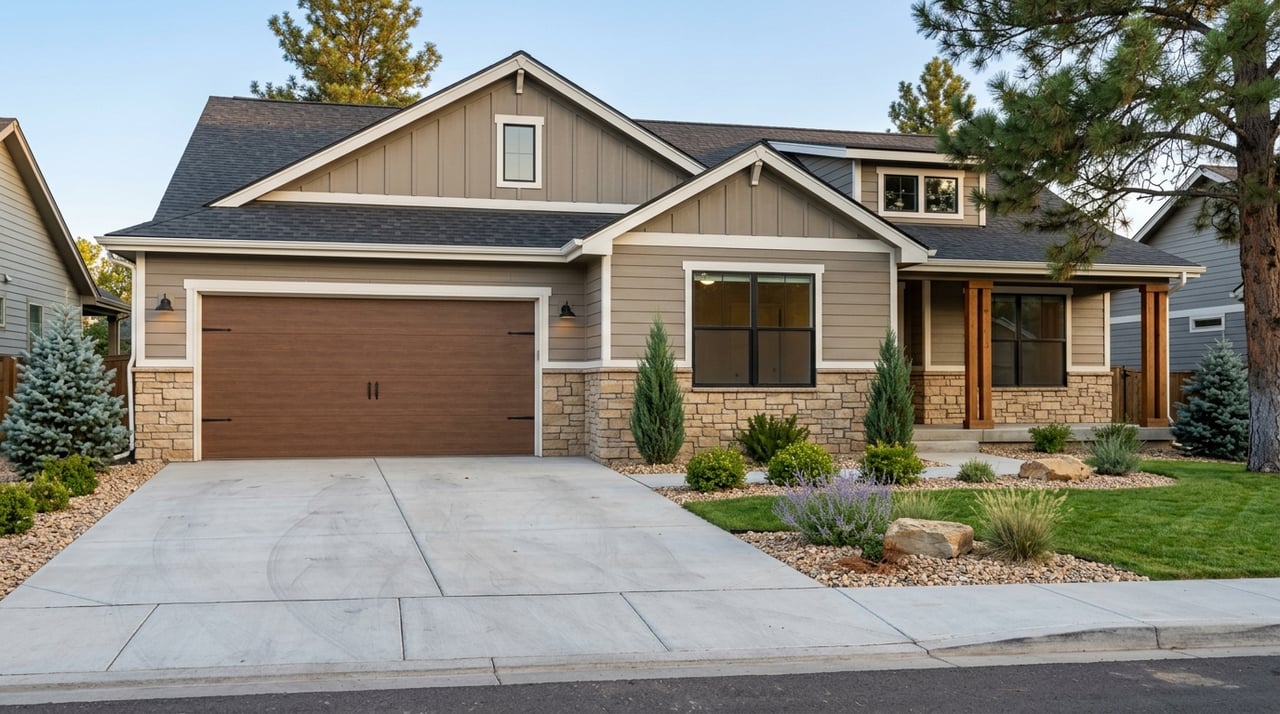
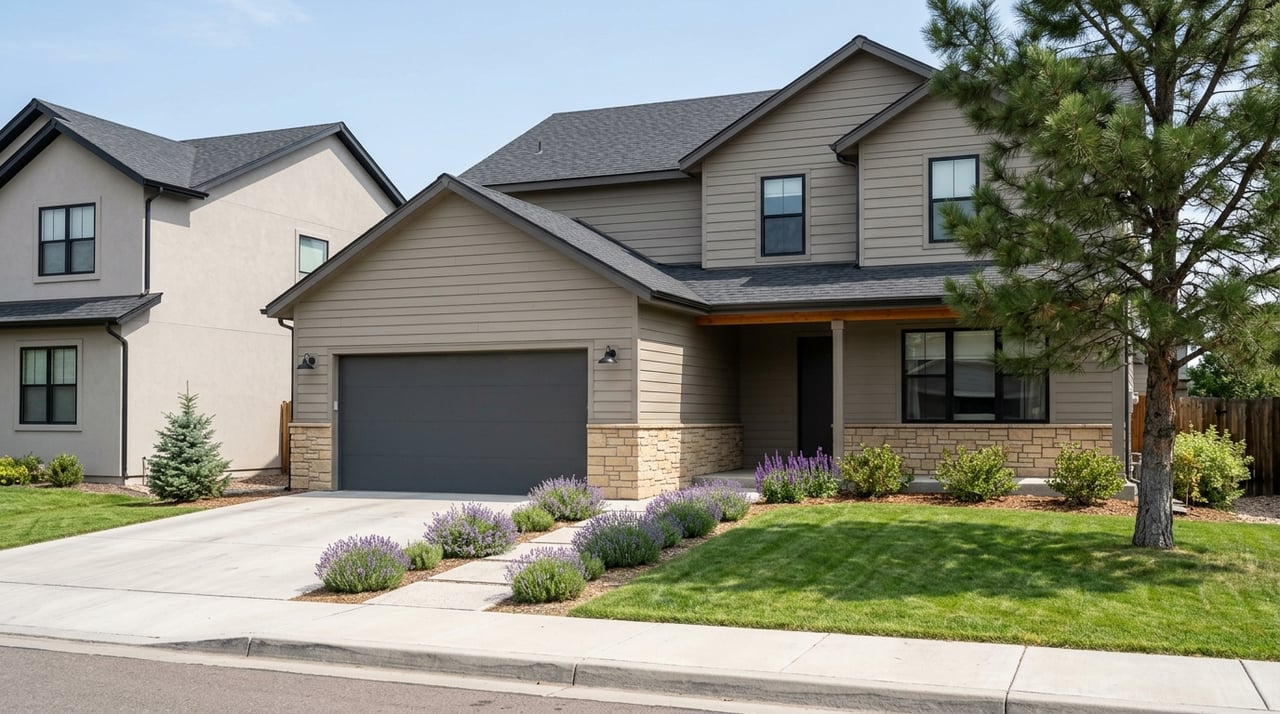
Parker’s housing mix is broader than some buyers first assume. The market is mostly owner-occupied, and the town’s zoning map reflects a range of housing types, including large-lot, standard-lot, small-lot, multifamily, mixed-use, downtown, office, light industrial, and open-space categories. In practical terms, that means you are not limited to one single neighborhood format.
The subdivisions and filings map points to a wide mix of established and planned communities, including areas such as Stonegate, Villages of Parker and Canterberry Crossing, Bradbury Ranch, Newlin Meadows, Parker Vista, Hidden River, Robinson Ranch, Stroh Ranch, Pinery, and town-center projects like Parker Hilltop Apartments, Trailside Apartments, and Creekside Condominiums. That variety can be helpful whether you want a more traditional subdivision setting or a denser location closer to downtown activity.
For buyers and renters alike, it is important to set realistic budget expectations. Census data shows a median owner-occupied home value of $646,300, a median monthly owner cost with a mortgage of $2,773, and a median gross rent of $2,096. Parker is not positioned as a low-cost suburb, and those numbers reflect that clearly.
Compared with Douglas County overall, Parker is still somewhat below the countywide median owner value of $713,600. Even so, it remains a higher-cost Denver-area suburb. If you are planning a move here, it helps to think through not just purchase price or rent, but also how the location fits your longer-term goals and monthly comfort level.
What new residents should realistically expect
For most people, everyday life in Parker comes down to a few core themes. You can expect a suburban environment with a recognizable downtown core, a strong local events calendar, and meaningful access to parks and recreation. You can also expect a lifestyle where driving is still a major part of daily movement.
Housing will likely feel varied, but not inexpensive. Some residents will be drawn to established subdivisions, while others may prefer newer planned pockets or multifamily options closer to town-centered amenities. That mix gives Parker flexibility, but it also means your best fit depends on your budget, routine, and priorities.
If you are relocating from another part of Colorado or from out of state, Parker can appeal to you if you want a suburban setting with more community programming and identity than a purely functional commuter suburb. The key is knowing what matters most to you before you choose where and how to settle in.
A move is not just about finding a home. It is about finding the version of daily life that fits you best. If you are considering Parker and want thoughtful guidance on buying, selling, relocating, renting, or planning your next move with a long-term strategy in mind, connect with Theadora Rotbasean.
FAQs
What is everyday life like in Parker, Colorado?
- Parker offers a Denver-area suburban lifestyle with a Western-Victorian downtown, a strong parks and recreation focus, community events throughout the year, and a daily routine that is still largely car-based.
What should new residents know about commuting in Parker?
- Most residents rely heavily on driving, though Parker also offers options like Link On Demand, RTD FlexRide, Route PD, Route 483, Access-a-Ride, and the Parker Park-n-Ride for selected trips and regional connections.
What housing options can you expect in Parker, Colorado?
- Parker includes a mix of established subdivisions, planned communities, multifamily housing, mixed-use areas, and some denser town-center housing rather than one uniform housing style.
Is Parker, Colorado, an affordable place to live?
- Parker is generally a higher-cost suburb, with Census figures showing a median owner-occupied home value of $646,300 and median gross rent of $2,096.
What amenities help shape daily life in Parker?
- Parks, trails, the Recreation Center, Fieldhouse, H2O'Brien Pool, Discovery Park Ice Trail, the PACE Center, and a full calendar of concerts, classes, and seasonal events all play a visible role in everyday routines.