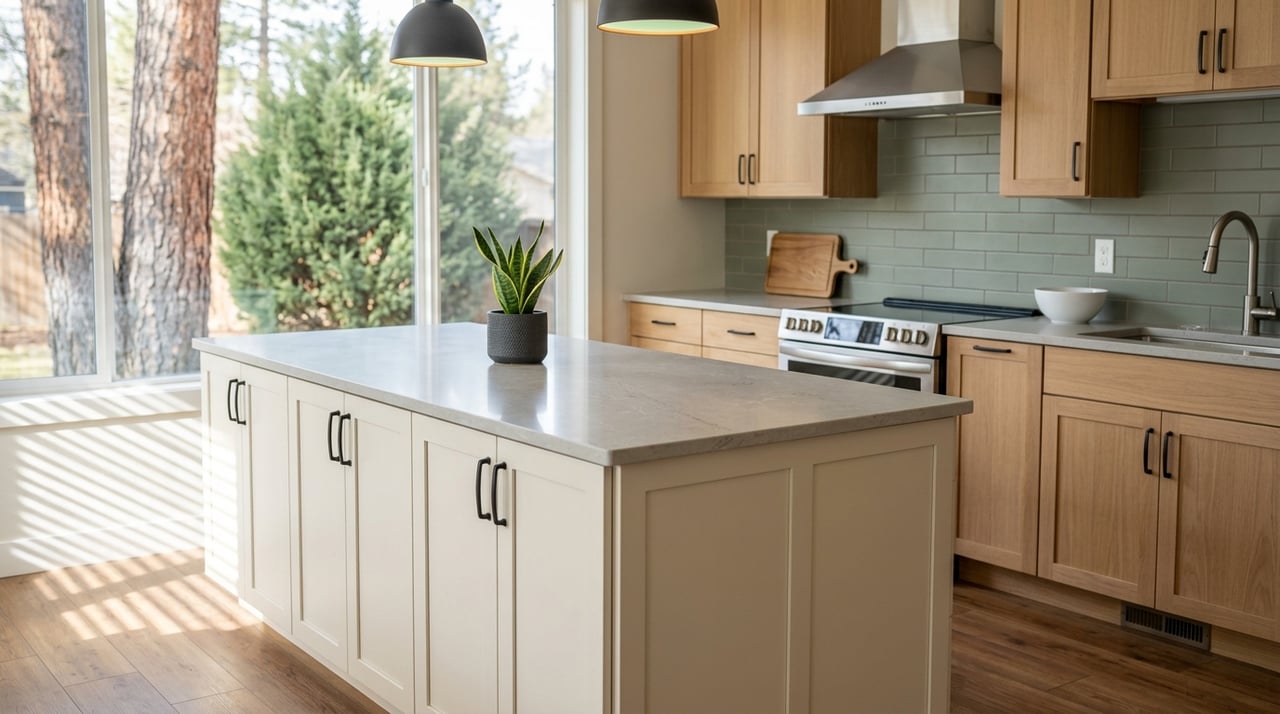
Buying in the Powers Corridor can feel like a choice between convenience today and peace of mind tomorrow. You may be weighing a shiny new build against a lived-in resale and wondering which one actually fits your budget, timeline, and daily routine. The good news is that there is no one-size-fits-all answer, and the right choice usually becomes clearer when you compare cost, condition, timing, and location changes side by side. Let’s dive in.
Why this decision matters in Powers Corridor
The Powers Corridor is not just a place on the map. It is an active growth area in Colorado Springs, and that matters when you are choosing between a new-build home and a resale property.
The City of Colorado Springs describes the Powers Boulevard Extension as a long-planned transportation improvement that will expand north from Highway 83 to Voyager Parkway. CDOT is also working on the Airport Road and Powers Boulevard diverging diamond interchange, and the Research Parkway and Powers interchange has moved forward because of growth along the corridor. For you, that means commute patterns, access, and nearby construction activity can shape your day-to-day experience.
What the local market is telling you
The broader local market is still active, but it is more balanced than it was during the tightest recent years. PPAR’s May 2026 snapshot for the elevateMLS market reported 1,475 closed sales, a median sale price of $472,000, and 50 average days on market across all property types.
In El Paso County, the March 2026 single-family report showed a median sales price of $475,000, with 2,565 homes for sale and 3.1 months of supply. That is useful if you are shopping in the Powers Corridor because it suggests you may have more room to compare options carefully instead of rushing into the first available home.
When a new build makes sense
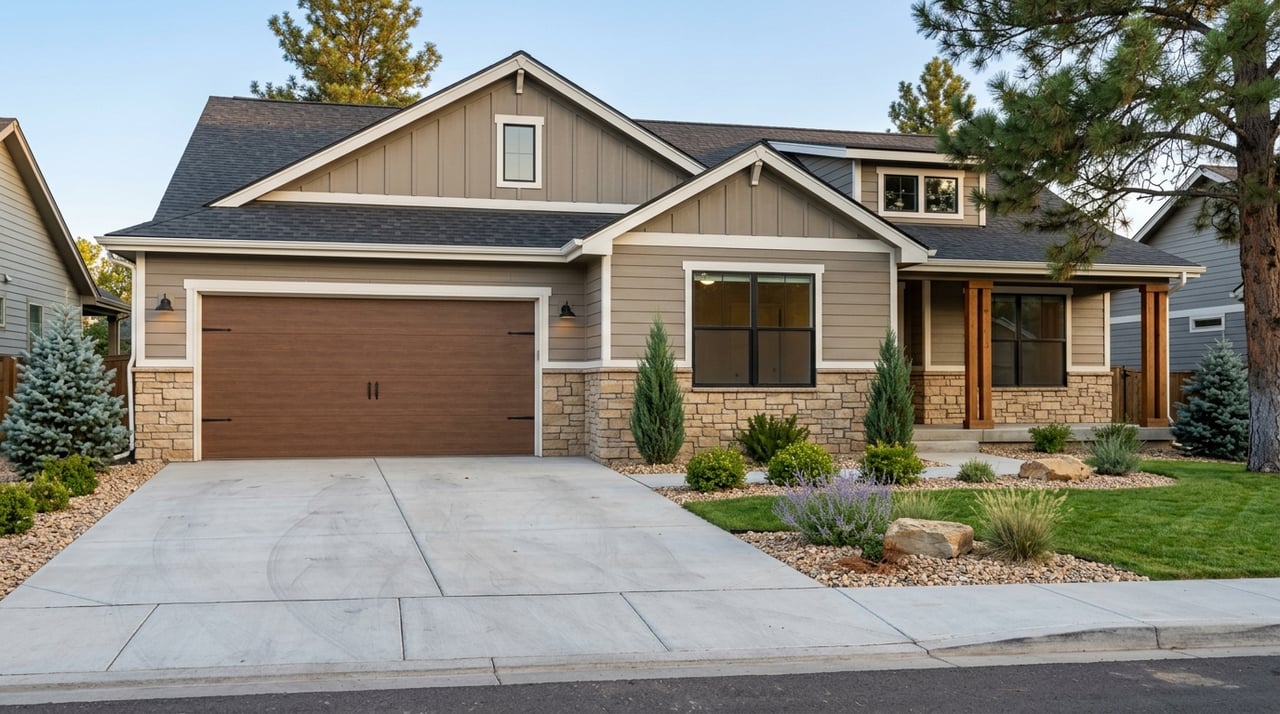
A new build often appeals to buyers who want a more modern home from day one. If you like open layouts, newer materials, updated wiring, and the chance to choose finishes, new construction can feel like a cleaner fit.
NAHB notes that buyers are often drawn to new homes for energy efficiency, warranty coverage, and customization options like flooring, paint colors, and appliances. New homes also commonly include features like higher ceilings, more windows, and layouts that support current technology needs.
You want customization
If choosing your cabinets, counters, or flooring sounds exciting instead of stressful, a new build may be a strong match. Many buyers like knowing they can personalize the home before move-in rather than planning projects after closing.
That said, customization can affect your final cost. The base price may not include every finish or feature you want, so it is important to ask what is standard and what counts as an upgrade.
You value warranty protection
One of the biggest advantages of a builder-sold home in Colorado is the warranty framework. Colorado’s civil jury instructions describe implied warranties for builder-sold homes as covering code compliance, workmanlike construction, and suitability for ordinary use.
That protection generally does not extend to a used home sold by prior occupants. For many buyers, that difference alone makes a new build feel less risky.
A common builder-warranty structure includes:
- 1 year for fit and finish items
- 2 years for systems
- 10 years for qualifying structural defects
Exact terms vary by builder and warranty provider, so you should always compare the written warranty carefully.
You can handle a less certain timeline
New construction usually comes with more timing uncertainty than a resale purchase. If the home is not finished yet, your closing date may shift based on construction progress, materials, weather, or inspections.
That does not mean a new build is a poor choice. It just means you need flexibility, especially if you are coordinating a move, lease end date, or relocation timeline.
When a resale makes sense
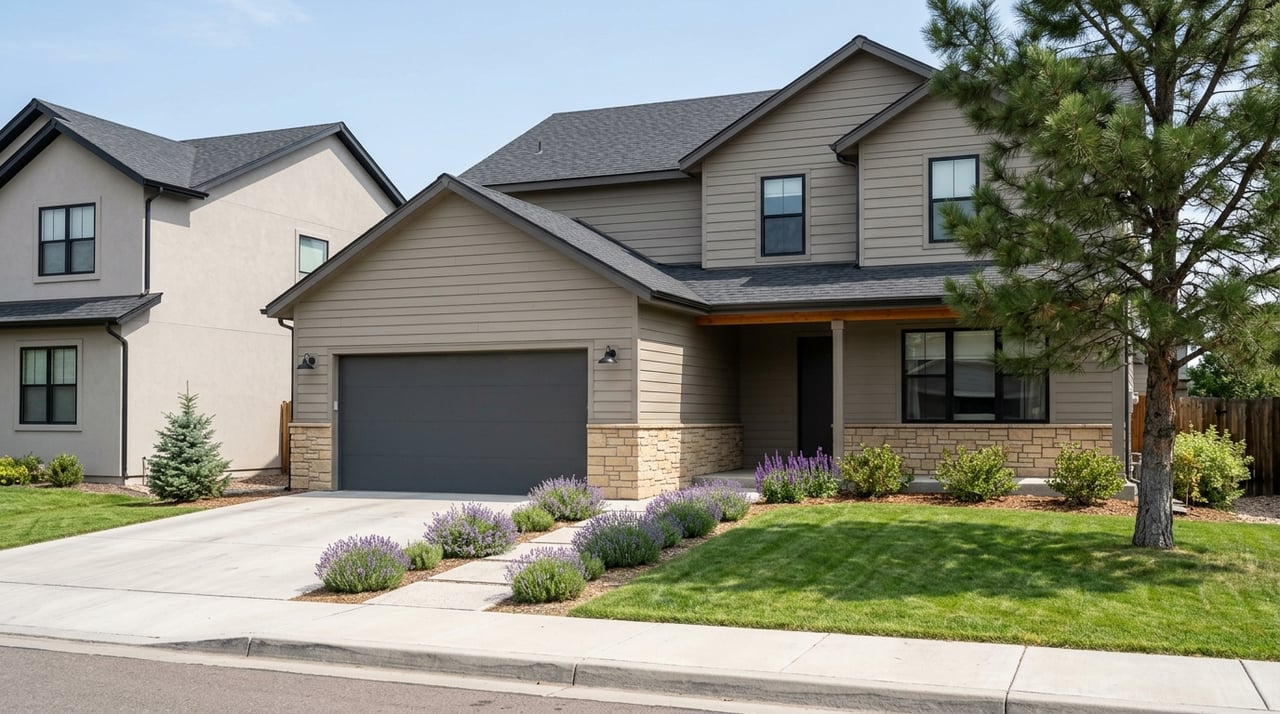
A resale home can be the better fit if you want to know exactly what you are getting before you buy. You can walk the completed home, assess the lot, and evaluate how the property feels in real time.
For many buyers, that clarity matters more than having brand-new finishes. A resale purchase can also make it easier to compare value from one home to the next because the home is already complete.
You want to inspect the exact home
With resale, your focus shifts from upgrades to condition. Instead of selecting finishes, you are looking at the age of the roof, the HVAC system, plumbing, electrical systems, and the overall level of maintenance.
CFPB recommends making an offer contingent on financing and a satisfactory inspection. That gives you a chance to learn about serious issues before you are locked into the purchase.
You prefer more cost certainty upfront
The asking price for a resale home may feel simpler because the property already exists in finished form. You are not building your final number from a base price plus design-center choices.
Still, you should budget for more than the sale price. CFPB notes that closing costs typically run about 2% to 5% of the purchase price before the down payment, and buyers should also plan for maintenance, repairs, utilities, taxes, insurance, and any HOA fees.
You need a faster move-in
A resale home often works well if your move timeline is tighter. If you are relocating, changing rentals, or trying to coordinate a sale and purchase, a completed home can offer a more predictable path to closing.
That can be especially helpful for military or job-related moves where flexibility is limited.
How pricing differs between new build and resale
The biggest mistake many buyers make is comparing only the list price. In the Powers Corridor, your true cost depends on how each type of home is priced and what extra expenses come with it.
New-build pricing can have more layers
For homes not yet built, the builder may ask for an upfront builder deposit or earnest money. Some builders also work with affiliated lenders, though buyers can still shop around.
Construction costs made up 64.4% of the average new-home price in NAHB’s 2024 Cost of Construction Survey, while the finished lot accounted for 13.7%. Nationally, the median price of a new single-family home in the first quarter of 2025 was only $14,600 above the median price of an existing home. That suggests the price gap is often driven by lot value and upgrades, not just the fact that the home is new.
Resale pricing can bring repair tradeoffs
A resale home may not come with upgrade packages, but it can come with future repair needs. That is why resale buyers should think in terms of an inspection-based budget.
In simple terms, new-build buyers often plan for upgrade costs, while resale buyers often plan for maintenance and repair costs. Neither is automatically better. It depends on whether you would rather spend money now on finishes or later on upkeep.
Powers Corridor factors you should not ignore
Location decisions in the Powers Corridor are tied closely to growth and transportation improvements. A home that looks ideal online may feel very different once you factor in current roadwork, future traffic flow, and how you use the area every day.
This is true for both new builds and resale homes. In a changing corridor, even a strong property choice should be viewed through the lens of access, noise, and long-term convenience.
Ask about nearby road projects
Because active transportation work is shaping the corridor, ask how nearby projects could affect your route, travel times, and overall access. This is especially important if your work schedule, school runs, or airport trips depend on a smooth commute.
A new community may be attractive because of modern homes, but nearby construction could affect your first few years there. A resale home may offer a more established setting, but its access pattern could also change as road improvements continue.
Think beyond move-in day
It helps to picture how the area may function after the dust settles. Better mobility and stronger connections to I-25 and surrounding communities may support convenience over time, but your short-term experience could still include traffic changes or construction noise.
That is why this decision is about more than floor plans. It is also about how the corridor is evolving around the home you choose.
Questions to ask before you decide
The right questions can make your options much easier to compare. Use them to look past the model-home finish or fresh listing photos and get to the details that affect your budget and daily life.
Questions to ask a builder
- What is included in the base price?
- Which features are upgrades?
- Can appliances be upgraded?
- Are there added fees tied to the home or development?
- Will there be an HOA, and what do the dues cover?
- Does the builder offer a warranty program?
- Is landscaping included?
- Are there restrictive covenants?
- What are the estimated taxes?
- Are there major development plans nearby?
- How is the builder deposit handled if the deal falls through?
- Is the preferred lender optional?
- When is the estimated move-in date?
Questions to ask about a resale home
- What did the inspection show?
- What repairs may be needed in the next few years?
- How old are major systems like the roof and HVAC?
- What should you budget for maintenance and utilities?
- What are the expected closing costs?
- Is the offer contingent on financing and inspection?
- How could nearby road projects affect access or noise?
A simple way to choose
If you want customization, modern finishes, and builder-backed warranty protection, a new build may be the better fit. You just need to be comfortable with possible timeline shifts and added upgrade costs.
If you want to inspect the exact home, move on a clearer timeline, and budget around known condition rather than design choices, resale may make more sense. You just need to be ready for maintenance and repair planning.
In the Powers Corridor, the smartest choice is the one that fits both your home goals and the area’s ongoing growth. When you look at price, timing, condition, and transportation changes together, your answer usually becomes much easier to see.
Whether you are comparing a brand-new community to an established resale neighborhood, having local guidance can help you spot the tradeoffs that matter most. If you want help weighing your options in the Powers Corridor, connect with Theadora Rotbasean for clear, hands-on guidance tailored to your move.
FAQs
What is the biggest difference between a new build and a resale home in Powers Corridor?
- A new build usually offers customization, modern finishes, and builder-backed warranty protection, while a resale home lets you inspect the exact property and evaluate its current condition before you buy.
How do road projects affect buying in Powers Corridor?
- Active transportation improvements along Powers Boulevard can affect commute times, access patterns, and nearby noise, so you should ask how current and future work may shape your daily routine.
Are new-build homes in Powers Corridor always much more expensive than resale homes?
- Not necessarily. New-home pricing often includes lot value and upgrades, and national data in the research report shows the median new-home price was only modestly above the median existing-home price.
What costs should buyers budget for with a resale home in Powers Corridor?
- You should plan for closing costs, maintenance, repairs, utilities, property taxes, homeowner’s insurance, and any HOA fees, in addition to the purchase price.
Why do some buyers prefer a new build in Colorado Springs?
- Many buyers like the ability to choose finishes, the more modern layout and technology features, and the added peace of mind that can come with builder warranties and Colorado’s implied warranty protections for builder-sold homes.
Is a resale home a better choice if you need to move quickly in Powers Corridor?
- Often yes. Because the home is already built, a resale purchase may offer a more predictable closing timeline than a new build that is still under construction.