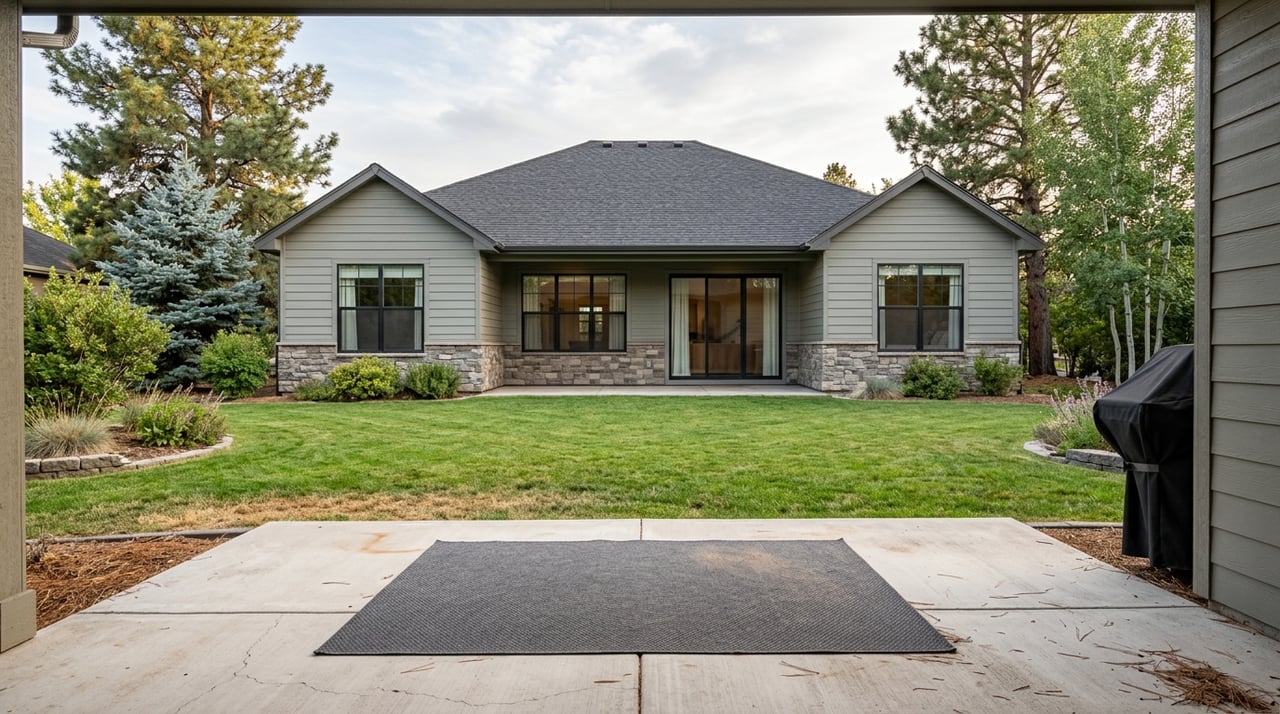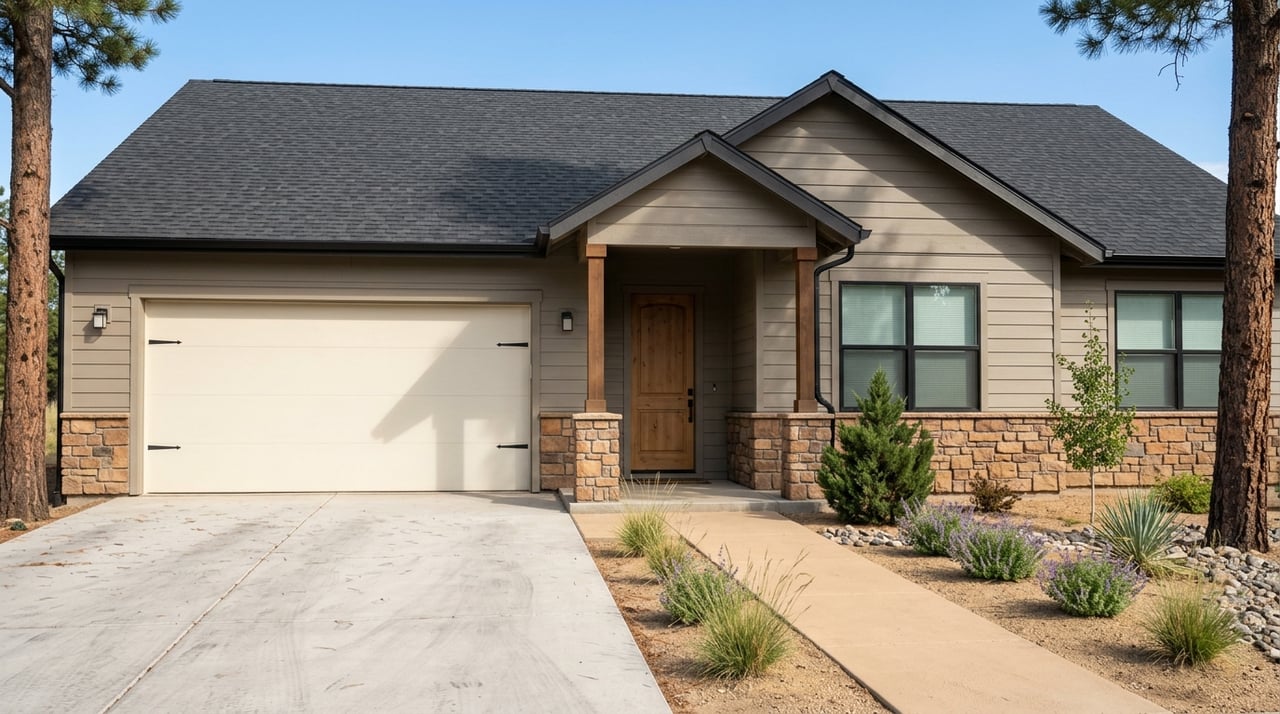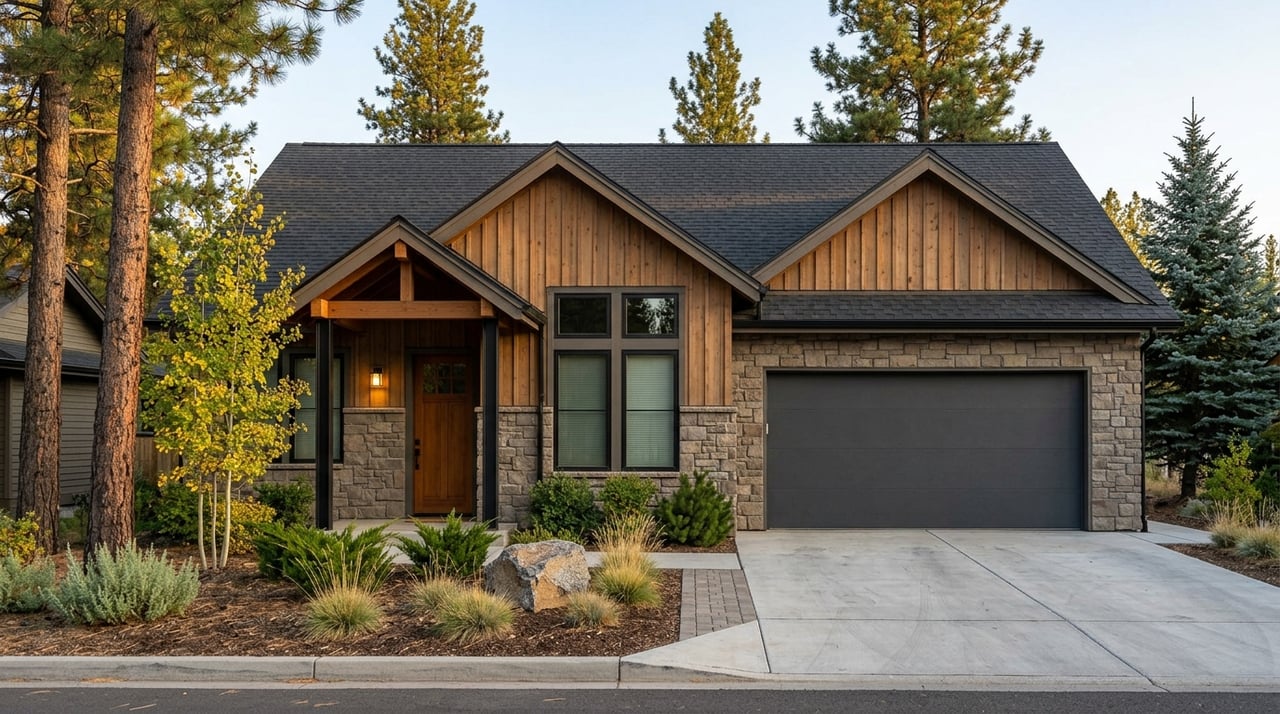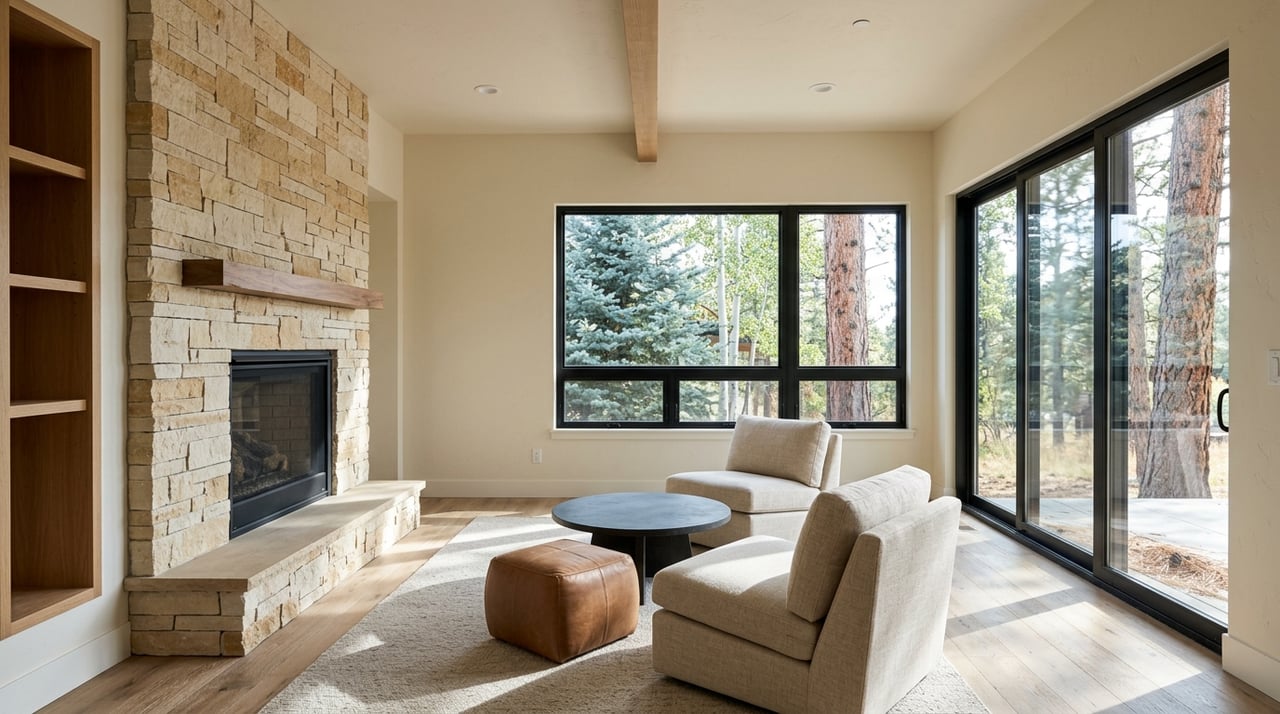
A vacation home in Archuleta County can feel like the perfect Colorado dream. You picture quiet mornings, mountain views, and a place that gives you both personal getaway space and long-term value. But in this market, a smart purchase starts with more than the cabin aesthetic. You need to understand how you plan to use the property, what the local rules allow, and what ownership will really cost. Let’s dive in.
Why Archuleta County draws vacation-home buyers
Archuleta County has the ingredients many second-home buyers want: a mountain setting, a strong owner-occupied base, and housing stock that supports both personal use and part-time occupancy. Census data reports 14,306 residents in 2025, 10,178 housing units, and an owner-occupied housing rate of 80.1 percent. The median owner-occupied home value is $478,100, which gives you a helpful starting point when sizing up the market.
At the same time, this is not a market where vacation demand exists in a vacuum. Archuleta County’s housing needs assessment says second-home buyers, tourism, and vacation rentals are major forces in the local housing picture. It also notes that limited water and sewer infrastructure constrains new supply, which matters when you are evaluating long-term scarcity and competition.
Start with your real use case
Before you compare cabins, condos, or townhomes, get clear on how you want the property to function. In Archuleta County, that question affects everything from location to monthly carrying costs to permit research. A vacation home here may serve as a personal retreat, a part-time residence, or an income-producing asset.
That distinction matters because the county’s housing assessment says vacation rentals compete with long-term rentals and contribute to a tighter year-round housing market. For you as a buyer, this means the best property is not always the one with the best photos. It is the one that matches your intended use and fits the local rules.
Property types to consider
For vacation-rental purposes, Archuleta County explicitly allows permits for homes, condos, and townhouses. That makes those property types especially relevant if rental flexibility is part of your plan. Detached cabins and single-family homes may be the classic mental picture, but condos and townhomes are also directly addressed in the county’s framework.
The smarter way to compare options is to look beyond style alone. Pay close attention to structure, access, utilities, and jurisdiction. A beautiful mountain property only works as a smart purchase if it supports how you want to use it.
Check jurisdiction before you fall in love
One of the most important questions in Archuleta County is whether the property sits inside the Town of Pagosa Springs or in unincorporated county area. That single detail can shape your next steps as an owner. If you assume the rules are the same everywhere, you can create avoidable problems.
Inside the Town of Pagosa Springs, a separate Vacation Rental license is required for short-term rentals within town boundaries. The town says any owner renting for less than 30 consecutive days must apply. In unincorporated Archuleta County, the county uses its own vacation-rental permit process.
The county also says the moratorium on new vacation-rental permits has been lifted. That is useful context, but it is still not a blanket green light for every property. You should verify the exact parcel jurisdiction and confirm what is allowed before you move forward.
Understand permit status at closing
If a home is already operating as a vacation rental, do not assume that setup automatically carries over to you. This is a key due diligence point in Archuleta County. A property’s current use does not always mean your future use is automatically approved.
The county’s vacation-rental page notes that a permit does not transfer when a property sells. In practical terms, an ownership change can create an immediate compliance task. If rental use is part of your plan, you need to confirm what happens at closing and what new application steps may be required.
Look closely at water, sewer, well, and septic
Mountain and rural properties often come with infrastructure questions that matter just as much as square footage or finishes. In Archuleta County, utility setup can shape your budget, maintenance responsibilities, and due diligence timeline. This is especially true if the property is not connected to straightforward public systems.
The county’s Water Quality Department works with onsite wastewater treatment systems, private water testing, and transfer-of-title issues. That makes septic and well questions especially important when you are under contract. You will want to know whether the home is on public water and sewer, a district system, or private systems such as a well and septic.
Confirm zoning and legal-lot status
A vacation home purchase is partly about the house and partly about the paper trail. Archuleta County’s planning department says most development, change of use, and work in a floodplain is reviewed through a land-use permit. The department also specifically directs owners to confirm zoning and legal-lot status.
For you, this means due diligence should include more than a quick look at listing details. If you plan to rent, remodel, expand, or simply hold the property as a flexible long-term asset, zoning and legal-lot questions deserve early attention. A scenic setting does not replace clear land-use facts.
Budget for the full cost of ownership
A vacation home budget should go beyond the mortgage payment. In Archuleta County, recurring costs can include taxes, insurance, utilities, HOA charges, maintenance, and any rental-related compliance expenses. If you are thinking like both a homeowner and an investor, these numbers matter from day one.
County property taxes are not a flat countywide number. Archuleta County explains that the treasurer bills taxes from the assessor-certified tax roll, while local taxing authorities set mill levies. Colorado’s property tax formula is based on actual value, the assessment rate, and the applicable mill levy, so parcel-specific estimates are more useful than broad assumptions.
A state legislative note estimated Archuleta County’s average levy at 62.629 mills in 2023, which can serve as a rough benchmark. Still, it should not replace a property-level review. The same price point can carry different tax costs depending on district factors.
Census figures also offer a useful baseline for ownership costs. Median monthly owner costs are reported at $1,916 with a mortgage and $567 without a mortgage. Median gross rent is $1,432, which is not vacation-home-specific but can help you think through how ownership cost compares with possible income or seasonal-use value.
Account for vacation-rental expenses
If your purchase plan includes short-term rental use, remember that operating costs may go beyond normal ownership bills. Local fees can include permit compliance, renewals, tax registration, and any HOA or district charges. Those costs can affect your net income more than buyers expect.
This is where a practical, asset-focused mindset helps. You are not just buying a mountain escape. You are choosing a property that may need to function as a regulated, maintained, and financially sustainable asset over time.
Wildfire risk should be part of the plan
In Pagosa Springs-area mountain settings, wildfire is a real ownership consideration. The Town of Pagosa Springs says that homes located in or near natural vegetation in Colorado’s grasslands, shrublands, foothills, or mountains sit in the wildland-urban interface and are at risk of wildfire. For many buyers, that means maintenance and insurance research should be part of the purchase process, not an afterthought.
The town recommends regular debris removal, defensible-space work, and a wildfire action plan. Even if a property feels turnkey, ongoing mitigation may still be a practical part of responsible ownership. This is one more reason to evaluate a vacation home based on long-term livability, not just first impressions.
A smart Archuleta County buying checklist
If you want to move from daydream to decision with more confidence, focus on these questions early:
- Is the property inside the Town of Pagosa Springs or in unincorporated Archuleta County?
- If you want short-term rental use, what exact permit or license is required?
- If the home is already used as a vacation rental, what happens to that status at closing?
- Is the property on public water and sewer, a district system, or private well and septic?
- Have you confirmed zoning, legal-lot status, and any land-use concerns?
- What are the likely carrying costs, including taxes, insurance, utilities, HOA charges, and maintenance?
- What wildfire mitigation steps may be needed for the property?
Answering these questions early can help you avoid buying a property that looks right but operates wrong for your goals.
Why guidance matters in a second-home purchase
A vacation home purchase has more moving parts when your goals include lifestyle, flexibility, and possible income. In Archuleta County, local rules, infrastructure details, and recurring costs can all shape whether a property is truly a fit. The right guidance helps you sort through those details before they become expensive surprises.
That is especially important if you want to think beyond the purchase itself. A second home can be both a personal retreat and a long-term real estate asset, and those two roles need to work together. When you approach the process with clear strategy, you are far more likely to buy with confidence.
If you are weighing vacation-home options in Colorado and want practical guidance rooted in both buying strategy and property performance, Theadora Rotbasean can help you think through the details and next steps.
FAQs
What makes Archuleta County appealing for a vacation home?
- Archuleta County offers a mountain setting, a high owner-occupied rate, and a market where second homes and tourism are already important factors, which makes it a strong place to consider a lifestyle-focused purchase.
What property types can work for vacation-home buyers in Archuleta County?
- For vacation-rental purposes, Archuleta County explicitly allows permits for homes, condos, and townhouses, so buyers should compare property type based on intended use, access, utilities, and jurisdiction.
What short-term rental rules apply in Pagosa Springs versus Archuleta County?
- Inside the Town of Pagosa Springs, owners renting for less than 30 consecutive days need a town Vacation Rental license, while unincorporated Archuleta County uses its own vacation-rental permit process.
Does a vacation-rental permit transfer to a new owner in Archuleta County?
- No. Archuleta County states that a vacation-rental permit does not transfer when a property sells, so buyers should confirm reapplication steps before closing.
What utility questions matter most for vacation homes in Archuleta County?
- Buyers should verify whether a property uses public water and sewer, district systems, or private well and septic, because those systems can affect maintenance, due diligence, and transfer-of-title issues.
How should buyers estimate carrying costs for a vacation home in Archuleta County?
- Start with parcel-specific property tax estimates, then add insurance, utilities, HOA charges, maintenance, and any permit or compliance costs tied to short-term rental use.
Why is wildfire planning important for vacation-home ownership near Pagosa Springs?
- The Town of Pagosa Springs says homes in or near natural vegetation in mountain and foothill settings face wildfire risk, so debris removal, defensible-space work, and insurance planning are practical parts of ownership.