If you are torn between a quieter mountain setting and the practical rhythm of suburban life, you are not alone. Many buyers around Colorado Springs wonder whether Teller County offers the lifestyle they want or whether the suburbs make more sense for everyday living. The truth is that both options can work well, but they serve different priorities. This guide will help you compare privacy, housing, commute times, infrastructure, and outdoor access so you can make a smarter move. Let’s dive in.
What Makes This Comparison Different
Teller County and the Colorado Springs suburbs are not just two versions of the same lifestyle. They are built very differently, and that affects how you live day to day.
Teller County is a low-density mountain county with an estimated 24,862 residents spread across 557.08 square miles. That works out to about 44.4 people per square mile. County planning also emphasizes preserving rural lands, and more than half of the county is under federal jurisdiction.
Colorado Springs is part of a much larger metro setting. The city had an estimated 493,554 residents in July 2024 across 195.4 square miles, with a density of 2,451.2 people per square mile. El Paso County as a whole had 752,772 residents over 2,126.42 square miles, which still creates a much more built-out environment than Teller County.
Teller County Lifestyle Basics
If you picture mountain living as more space, fewer people, and a slower daily pace, Teller County fits that image well. Communities like Divide and Florissant, along with Woodland Park, Cripple Creek, and Victor, sit within a planning framework shaped by rural land conservation and mountain conditions.
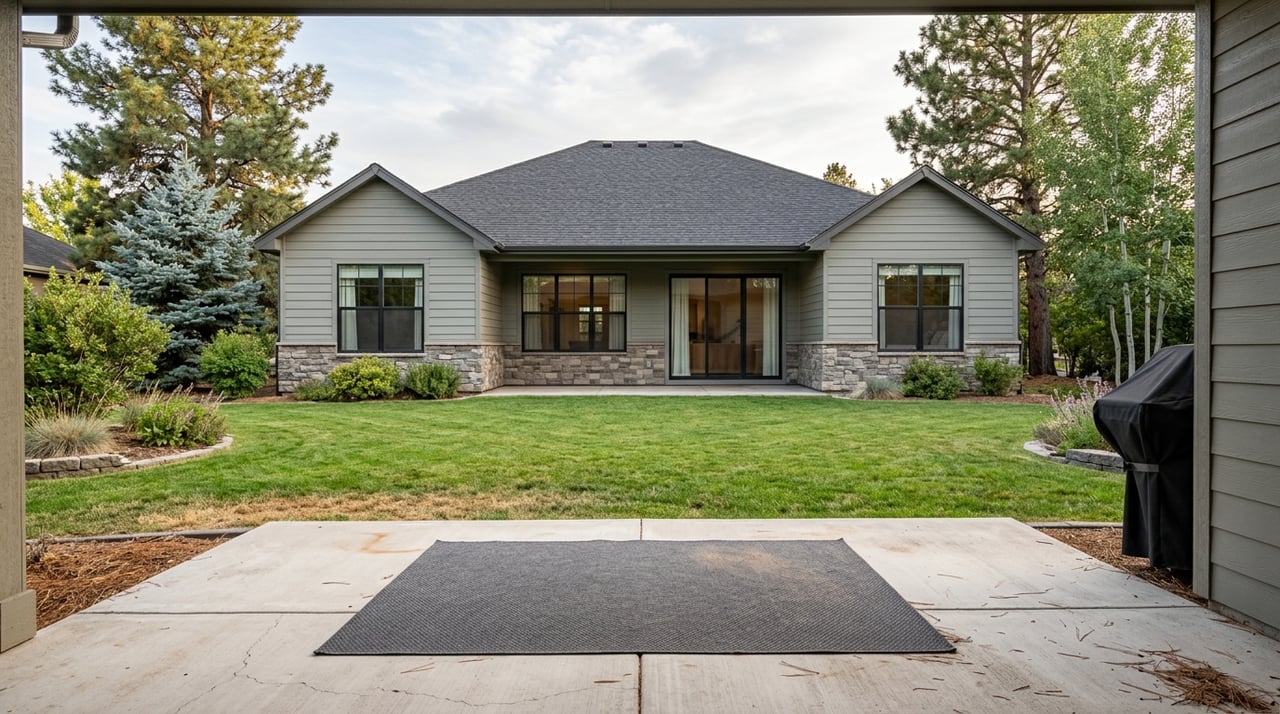
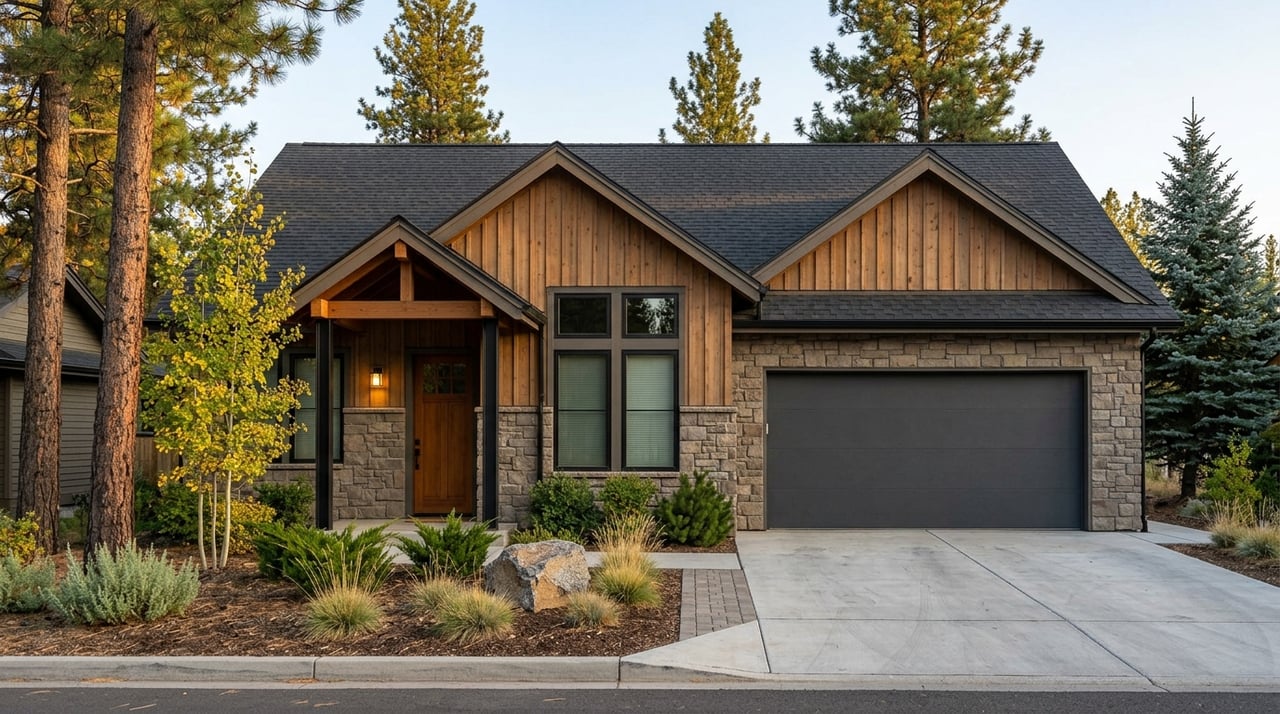
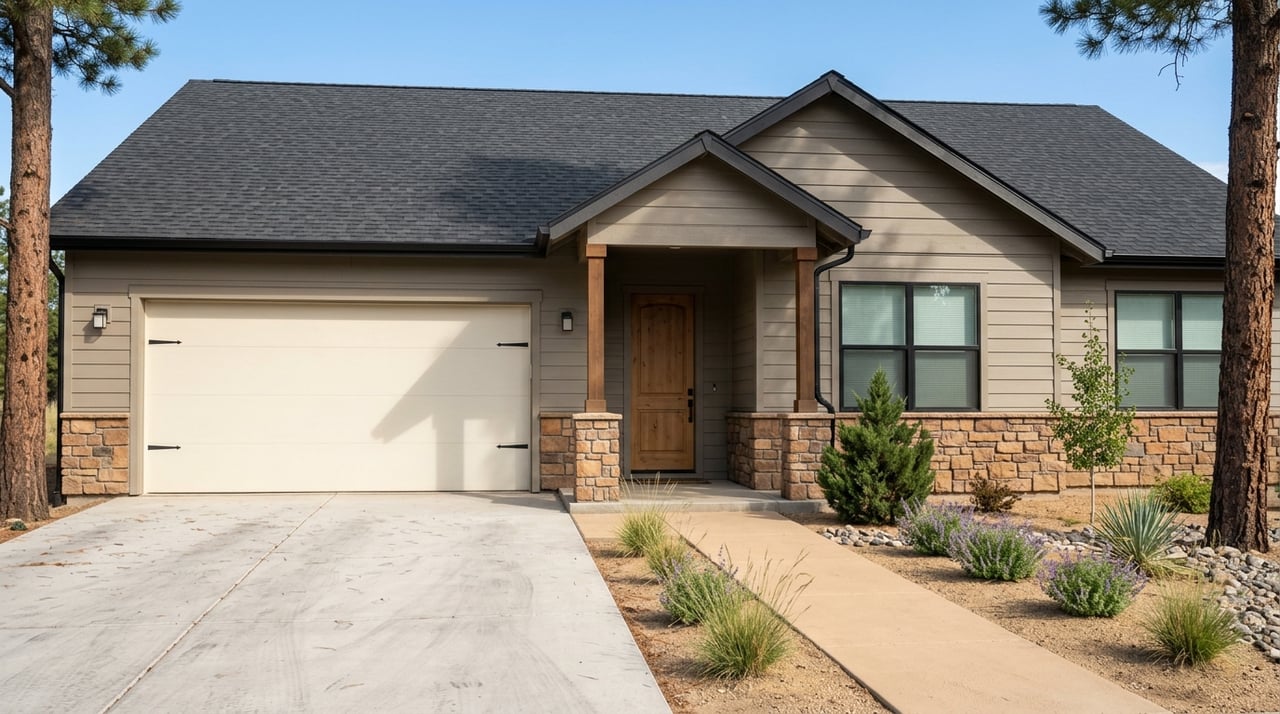
That shows up in the housing pattern too. Teller County is built around subdivisions, larger rural parcels, and detached homes instead of long stretches of urban blocks. The result is a setting that often feels more private and more spread out.
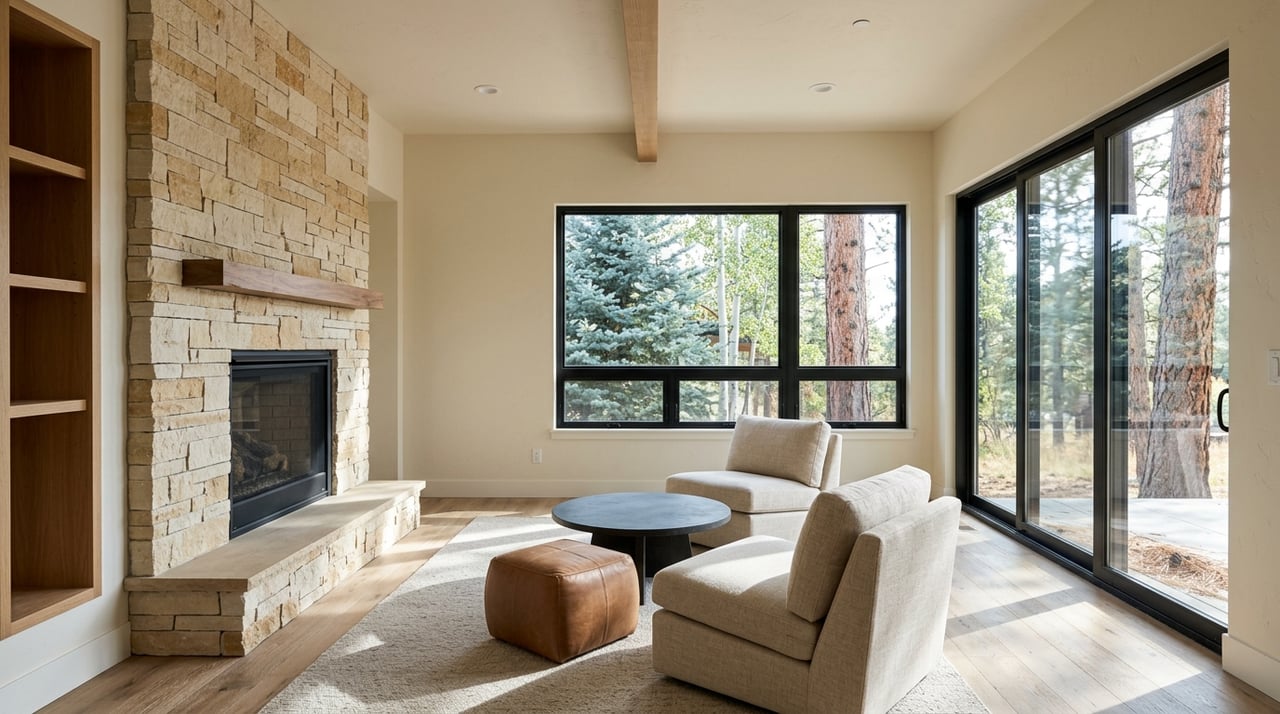
For many buyers, that privacy is the main draw. You may get more separation from neighbors, more natural scenery, and a daily environment shaped by the land instead of a suburban grid.
Colorado Springs Suburban Basics
Colorado Springs suburbs usually offer a more familiar mix of neighborhoods, roads, shopping access, and daily services. Housing is still heavily oriented toward detached homes, with 61% of homes in Colorado Springs classified as single-family detached and 82% in unincorporated El Paso County.
That said, suburban living here is not one-size-fits-all. Planning documents note that some outer parts of Colorado Springs already blur into semi-rural living, including large-lot residential areas served by individual wells and septic systems.
That is important if you assume the choice is fully mountain versus fully suburban. In reality, the transition is gradual. You can find some homes on the edge of the metro area that offer more elbow room without going fully into a rural county lifestyle.
Home Prices May Surprise You
One common assumption is that moving farther into the mountains means spending less. In Teller County, that is not always true.
Census QuickFacts shows a median owner-occupied home value of $479,900 in Teller County. By comparison, the median was $420,700 in Colorado Springs city and $461,000 in El Paso County.
That means the mountain label does not automatically equal lower cost. Lot size, inventory, location, and property type can matter just as much as county lines.
Daily Routine and Commute Times
Your drive time can shape your lifestyle as much as your house does. If your week includes regular commuting, school drop-offs, appointments, or errands, this is one of the biggest differences to weigh.
The mean travel time to work in Teller County is 31.7 minutes. In Colorado Springs, it is 22.7 minutes, and in El Paso County overall it is 23.5 minutes.
That gap signals a different day-to-day rhythm. Teller County may offer more scenery and space, but it usually asks for more planning around travel time. The suburbs tend to support a more convenient routine, especially if you need quick access to work, shopping, or services.
Roads and Infrastructure Matter More in the Mountains
Mountain living comes with infrastructure questions that many suburban buyers do not think about at first. In Teller County, the county maintains about 560 miles of roads, and 484 miles are gravel roads that are primarily in subdivisions.
That does not make Teller County a bad choice. It simply means road type, maintenance, and winter access should be part of your decision from the start.
The county also points to broadband expansion as an ongoing priority, developed with local partners in Teller County and western El Paso County to support more abundant and affordable internet service. If you work from home or rely on strong connectivity, that is another practical detail worth reviewing on a property-by-property basis.
Colorado Springs Convenience and Access
Colorado Springs suburbs generally offer easier access to stores, services, and transportation networks. Mountain Metropolitan Transit provides fixed-route service inside Colorado Springs, along with service into Manitou Springs and south into Widefield.
Even so, city planning documents still describe Colorado Springs as largely car-dependent. So while the metro area is more convenient overall, driving remains part of everyday life for most households.
Still, if your priority is efficiency, suburban living usually wins. Shorter commute times and closer services can make a real difference, especially for busy households, military moves, or buyers balancing work and family logistics.
Outdoor Access in Both Lifestyles
You do not have to give up outdoor living in either location. The difference is the kind of outdoor access you want most.
Teller County is closely tied to a mountain and rural lifestyle. Its parks division manages or co-manages 32 acres of developed parks, but the bigger story is access to surrounding public land and open space.
For example, Florissant Fossil Beds National Monument covers about 6,000 acres near Florissant at 8,200 to 8,500 feet. Mueller State Park spans 5,121 acres, and the Pikes Peak Ranger District manages roughly 230,000 acres of national forest and recreation land in the region.
That makes Teller County especially appealing if you want immediate access to forested settings, public lands, and a more wilderness-oriented backdrop. The environment is part of your everyday routine, not just a weekend destination.
Suburbs Still Deliver Recreation
Colorado Springs suburbs also offer strong access to outdoor recreation, but in a different format. The city parks and recreation system includes nearly 14,370 acres of parks and open spaces and more than 150 miles of trails.
This setup tends to feel more park-and-trail oriented than wilderness-oriented. You can still enjoy major local destinations and regular outdoor activity, but it is woven into a more developed urban and suburban setting.
For many buyers, that trade works well. You get recreation close to home while keeping easier access to schools, stores, healthcare, and commuting routes.
Which Lifestyle Fits You Best?
If you value privacy, scenery, and a more rural daily pace, Teller County may feel like the right fit. It is especially attractive if you want detached housing, larger parcels, and quick access to public lands.
If you value convenience, shorter commute times, and more everyday infrastructure, Colorado Springs suburbs may be the better match. They can offer a smoother routine while still keeping you close to parks, trails, and mountain views.
The most important thing is to compare properties based on how you actually live. In this region, the experience can vary a lot from one home to the next.
Here are a few practical questions to ask as you compare options:
- How often will you commute into Colorado Springs or other parts of El Paso County?
- Is the road to the home paved or gravel?
- What is winter access like?
- Does the property rely on well and septic systems?
- How important is quick access to stores, healthcare, and services?
- Do you want trail and park access, or do you want broader forest and public-land access?
What Buyers Should Watch Closely
A smart decision usually comes down to details, not just the map. In Teller County, road type, winter access, wildfire planning, and actual travel time from the specific property can make a big difference.
And in the Colorado Springs area, not every suburban-edge property feels fully suburban. Some fringe locations include large lots and individual utility systems, which can create a more rural experience than buyers expect.
That is why local guidance matters. If you are comparing mountain living with suburban convenience, it helps to work with someone who can look beyond the listing photos and help you evaluate long-term fit, resale potential, and day-to-day practicality.
Whether you are buying your next home, relocating, or thinking about a property as part of your long-term wealth strategy, the right choice starts with clarity. If you want help comparing Teller County and the Colorado Springs suburbs based on your goals, connect with Theadora Rotbasean.
FAQs
What is the main difference between Teller County and Colorado Springs suburbs?
- Teller County offers a lower-density mountain and rural lifestyle, while Colorado Springs suburbs offer more infrastructure, shorter commute times, and a more built-out daily environment.
Is Teller County more affordable than Colorado Springs suburbs?
- Not always. Census QuickFacts shows a median owner-occupied home value of $479,900 in Teller County, compared with $420,700 in Colorado Springs and $461,000 in El Paso County.
What should buyers check before choosing a Teller County home?
- Buyers should pay close attention to road type, winter access, commute time, broadband availability, and local wildfire planning.
Do Colorado Springs suburbs still offer outdoor access?
- Yes. Colorado Springs has nearly 14,370 acres of parks and open spaces and more than 150 miles of trails, so you can still enjoy a very active outdoor lifestyle.
Is mountain living in Teller County better for privacy?
- It can be, since Teller County is built around lower density, detached homes, and larger rural parcels that often create more separation between properties.
Are all Colorado Springs suburban-edge homes fully urban in feel?
- No. City planning documents note that some peripheral areas include large-lot residential development served by individual wells and septic systems, which creates a more gradual transition between suburban and rural living.