Thinking about more space after Colorado Springs often leads to one question: is Monument actually worth the jump? If you want a quieter setting, a different home style, or a little more breathing room, Monument can look like a natural next move. The key is knowing what you are really trading for, from price and lot size to commute patterns and day-to-day lifestyle. Let’s dive in.
Why Monument draws move-up buyers
Monument sits about 15 miles north of Colorado Springs and about 40 miles south of Denver. That location gives you access to the I-25 corridor while still offering a smaller-town feel in the Pikes Peak region.
The town is known for trail access, a historic downtown, and local community amenities. At the same time, Monument is working through growth pressure while trying to preserve its small-town identity, which helps explain why so many buyers see it as a different kind of lifestyle choice, not just a new ZIP code.
Price matters more than many buyers expect
If you are moving from Colorado Springs to Monument, the first big reality check is price. Recent Redfin data shows a median sale price of about $654,000 in Monument compared with about $450,000 in Colorado Springs.
That means Monument is roughly 45% more expensive on a median sold-home basis. For many move-up buyers, that price gap is not about getting into a faster market. It is more about paying for a different housing product, larger lots in some areas, and a different overall setting.
Homes in both markets are still moving at a somewhat similar pace. Monument homes go pending in about 43 days, while Colorado Springs homes go pending in about 47 days, so the decision is often more about fit than urgency.
What kind of homes you will find in Monument
Monument is not just one type of housing market. The town’s planning documents describe detached single-family homes as the dominant housing type, but the area also includes duplexes, multifamily homes, and manufactured housing.
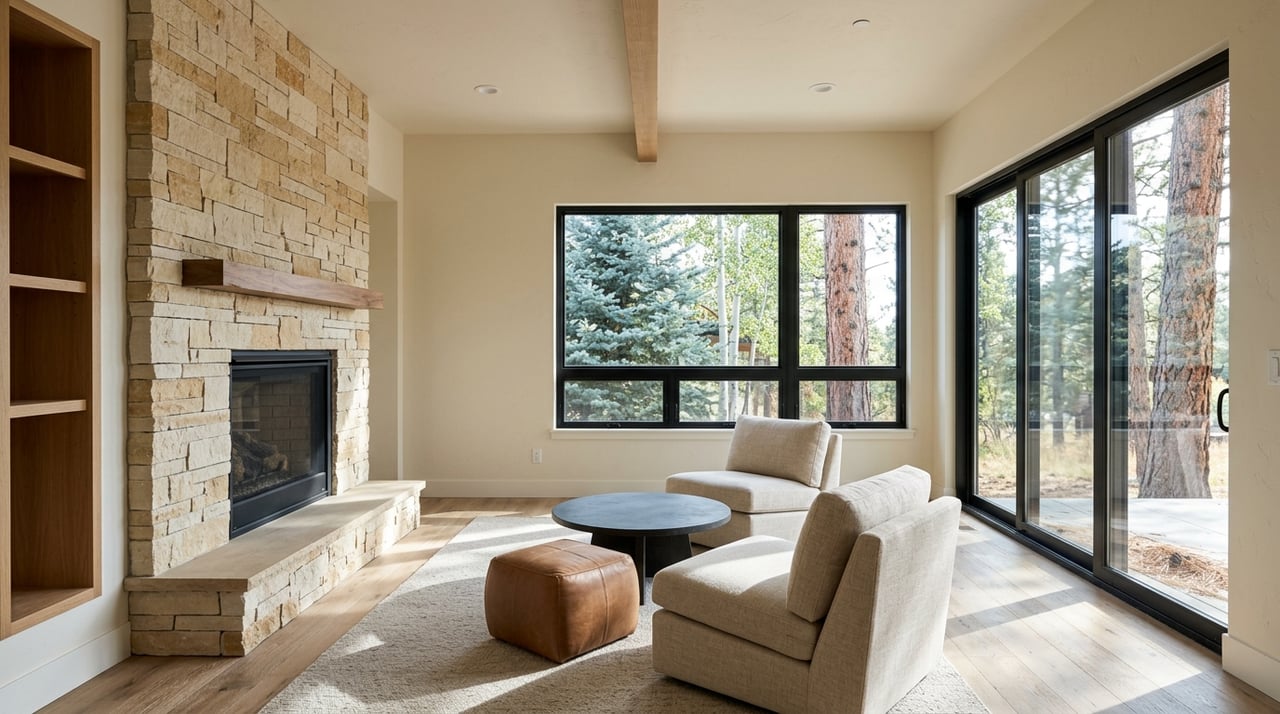
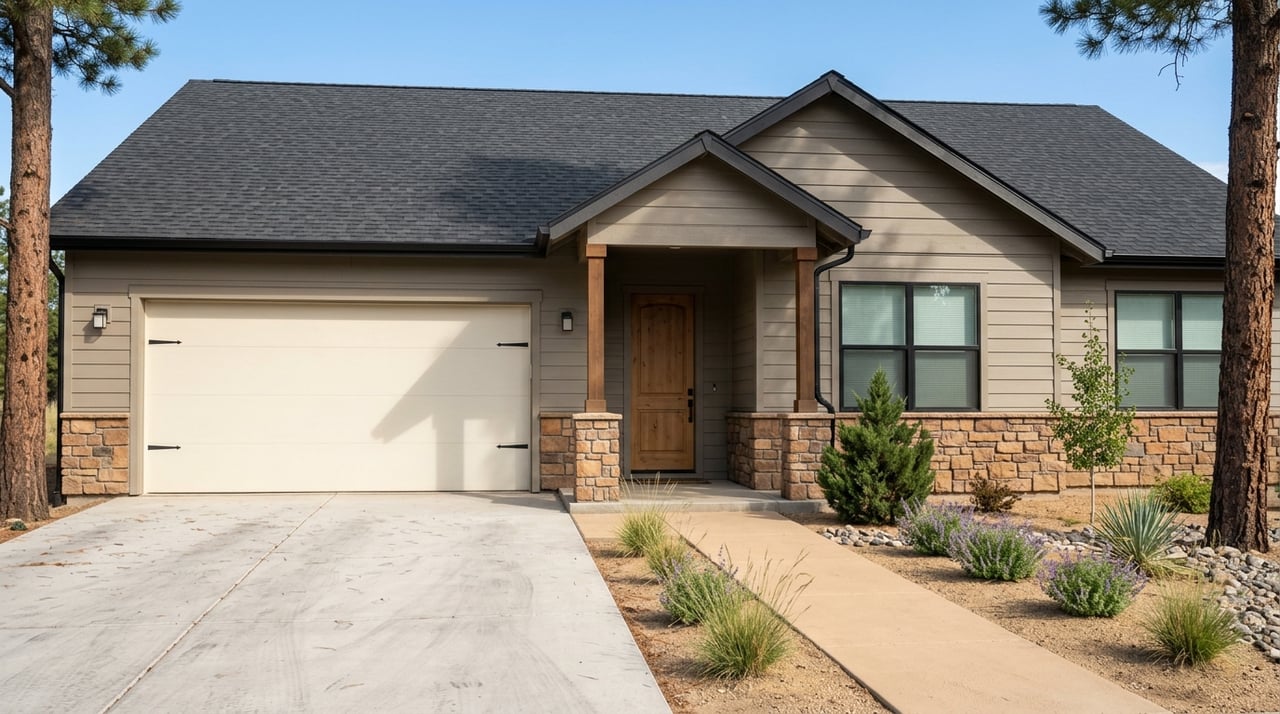
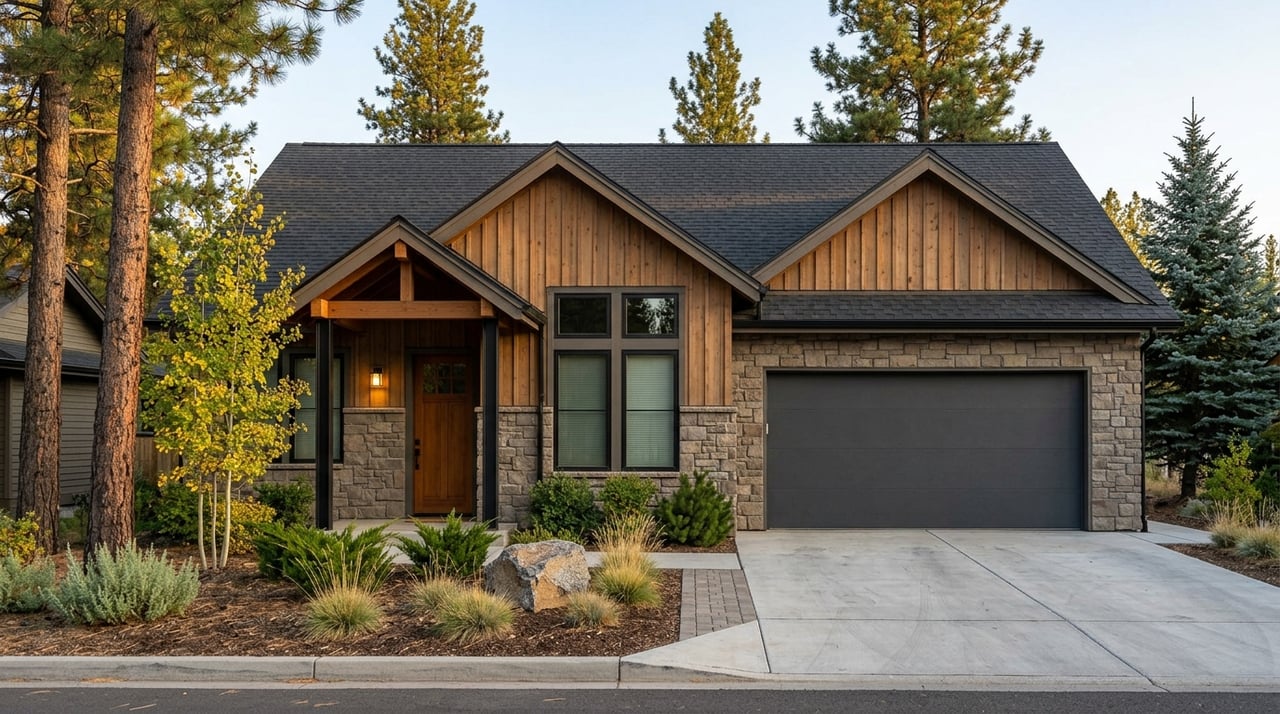
For most move-up buyers, though, the search tends to focus on detached homes with more square footage and more garage space. Recent sold examples often fall in the 3 to 6 bedroom range, around 2,000 to 4,400 square feet, and commonly include 2- or 3-car garages.
That gives you several different paths depending on your priorities:
- Newer planned homes on more moderate lots
- HOA neighborhoods with shared standards and community structure
- Wooded properties with more privacy and more outdoor upkeep
- Larger parcel options that feel less suburban
In some newer PUD-style neighborhoods, lot sizes can be around 8,700 to 10,800 square feet. In Woodmoor, some homes sit on wooded parcels around 0.72 acres, which creates a very different feel.
Monument is often about space and setting
If your main goal is to stretch out, Monument may check that box better than staying in Colorado Springs. More privacy, more tree coverage in some areas, and a quieter atmosphere are a big part of the appeal.
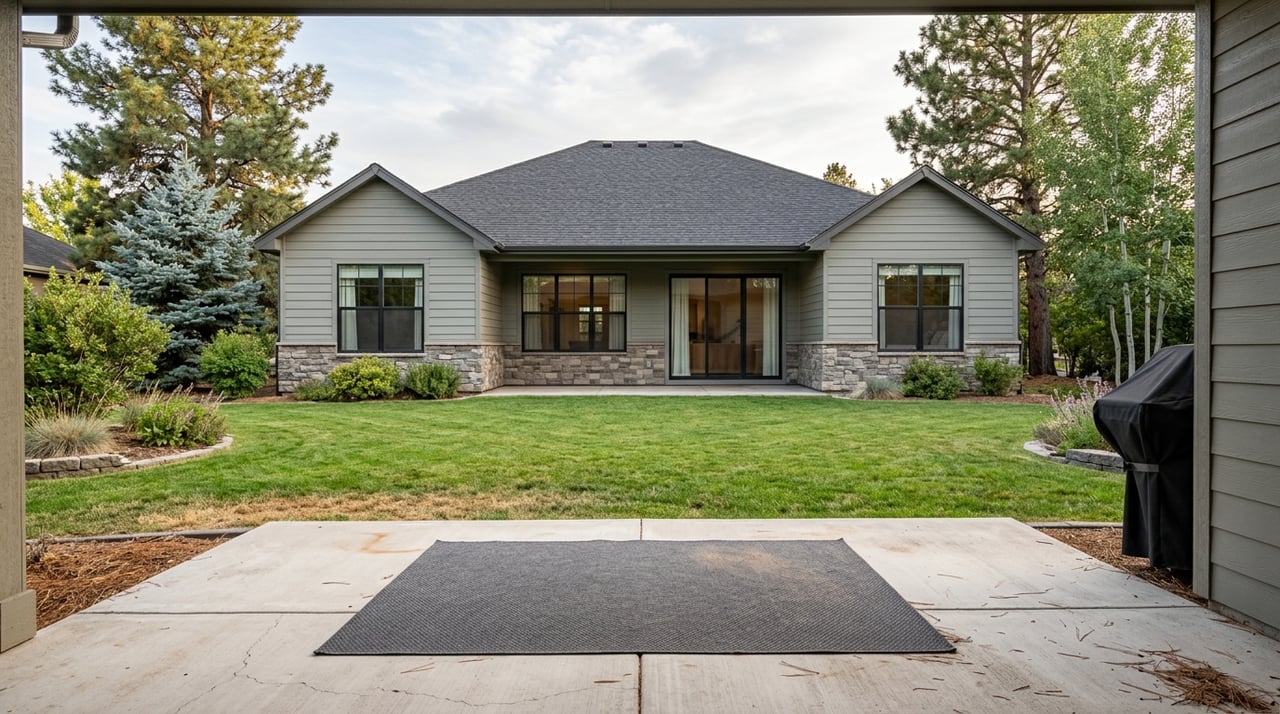
But more space also comes with more responsibility. A larger yard, more trees, and a more natural setting can mean more maintenance and more planning around property care.
That matters if you want a home that supports hobbies, storage, guests, or long-term flexibility. It also matters if you are trying to avoid extra upkeep and would rather keep things simpler.
HOA and covenant living can shape daily life
One of the biggest differences between Monument and some Colorado Springs options is how often HOA or covenant-controlled living enters the conversation. In places like Woodmoor, the community includes common areas, a community center, public safety support, and forestry and firewise resources.
For some buyers, that structure is a plus. It can support a consistent neighborhood appearance and shared community amenities.
For others, it feels like a real lifestyle change. Dues, rules, architectural review, and expectations around landscaping or property appearance may be worth it, but you want to know that before you buy.
Commute reality starts with I-25
If you plan to keep strong ties to Colorado Springs, commute planning matters. I-25 is the backbone for getting between Monument, Colorado Springs, and Denver, and it is one of the region’s most heavily traveled roads.
Monument does offer practical commuter features, including a Park-n-Ride at Exit 161 and regional Bustang service along the I-25 corridor. Those options can help, especially if your schedule allows flexibility.
Still, mileage alone does not tell the full story. A drive that looks manageable on a map can feel very different during peak traffic or bad weather.
Winter weather changes the equation
For many households, the real commute question is not distance. It is repeatability.
CDOT has warned that I-25 near Monument Hill and the Palmer Divide can see hazardous conditions and reduced visibility during winter storms. Snow, wind, and incidents can all affect drive times and predictability.
If you work in Colorado Springs, commute north or south regularly, or need to be somewhere at a fixed time, this deserves honest thought. Monument can be a strong fit, but only if the drive works for your real routine, not just your best-case routine.
Day-to-day life in Monument
Lifestyle is a major part of why buyers consider Monument in the first place. The town highlights trails around Mt. Herman and Monument Lake, a historic downtown, shopping areas, and regular community events.
You will also find local amenities such as the Tri-Lakes YMCA, Tri-Lakes Center for the Arts, the Western Museum of Mining and Industry, Country Club at Woodmoor, and King’s Deer Golf Club. Colorado tourism information also points to local restaurants, a brewery and distillery, and a summer farmers and artisans market.
In practical terms, Monument can feel more relaxed and more spread out than many parts of Colorado Springs. If that sounds like the lifestyle shift you want, it may be a strong next step.
Schools and routines are part of the decision
If school logistics matter to your household, Monument is served by Lewis-Palmer School District 38. The district includes Lewis-Palmer and Palmer Ridge high schools, Lewis-Palmer Middle School, and several elementary schools in Monument.
The more useful question is usually not whether schools are available. It is whether you want a District 38 address and whether the school commute fits your daily routine.
That same thinking applies to sports, activities, and after-school scheduling. A move that looks great on paper should also work on a Tuesday at 7:15 a.m. and again at 4:30 p.m.
When Monument makes sense
Monument is usually strongest for households that want to trade up for space, views, and a quieter setting. It can also make sense if you want a home with features that support long-term living, such as extra storage, a basement, a larger garage, or room for hobbies and guests.
You may also find better alignment here if you are comfortable with a higher price point and want a home that feels more residential and less urban. For some buyers, that lifestyle shift is exactly the goal.
When Monument may not be the best fit
Monument may be less appealing if your top priority is staying at a lower price point. It can also be a tougher fit if you want maximum convenience to central Colorado Springs or if daily I-25 reliability is critical for your schedule.
You may want to pause if you are not interested in HOA or covenant rules, or if you do not want the upkeep that can come with larger lots, trees, and more outdoor space. In those cases, other Colorado Springs neighborhoods or nearby communities may fit better.
Questions to ask before you move
Before you decide, try to answer a few practical questions as a household:
- Do you want more space and privacy enough to justify the higher price?
- Would you prefer a newer neighborhood lot or a wooded property with more separation?
- How often will you need to drive I-25 in winter conditions?
- Are you comfortable with HOA dues, rules, or covenant restrictions?
- Do you want a District 38 address for your routine?
- How much yard, tree care, and wildfire preparedness are you ready to manage?
- Do you need features that support future flexibility, like main-level living, extra storage, or hobby space?
Those answers usually tell you more than a simple price comparison ever will. The right move is not just about buying more house. It is about buying the right lifestyle for the way you actually live.
If you are weighing Monument against staying in Colorado Springs, a local strategy can help you compare tradeoffs clearly. Theadora Rotbasean can help you look at pricing, commute patterns, home style, and long-term fit so you can make a confident next move.
FAQs
Is Monument more expensive than Colorado Springs for homebuyers?
- Yes. Recent Redfin data shows Monument’s median sale price at about $654,000 versus about $450,000 in Colorado Springs.
Is Monument a good move-up option for Colorado Springs buyers?
- Monument can be a strong move-up option if you want more space, a quieter setting, and different housing choices, especially detached homes with larger square footage or larger lots.
What types of homes are common in Monument?
- Detached single-family homes are the dominant housing type in Monument, with options that range from newer subdivision homes to wooded properties and some larger-parcel homes.
How difficult is the commute from Monument to Colorado Springs?
- The commute depends heavily on I-25 traffic and weather. Winter conditions near Monument Hill and the Palmer Divide can affect visibility and road reliability.
Does Monument have HOA or covenant-controlled neighborhoods?
- Yes. Some Monument neighborhoods, including Woodmoor, include covenant or HOA-style structures that may involve dues, rules, and property standards.
What amenities are available in Monument for daily life?
- Monument offers trails, a historic downtown, shopping areas, community events, local restaurants, and amenities such as the Tri-Lakes YMCA, arts venues, and golf options.
What school district serves Monument, Colorado?
- Monument is served by Lewis-Palmer School District 38, which includes multiple elementary schools, Lewis-Palmer Middle School, and Lewis-Palmer and Palmer Ridge high schools.